
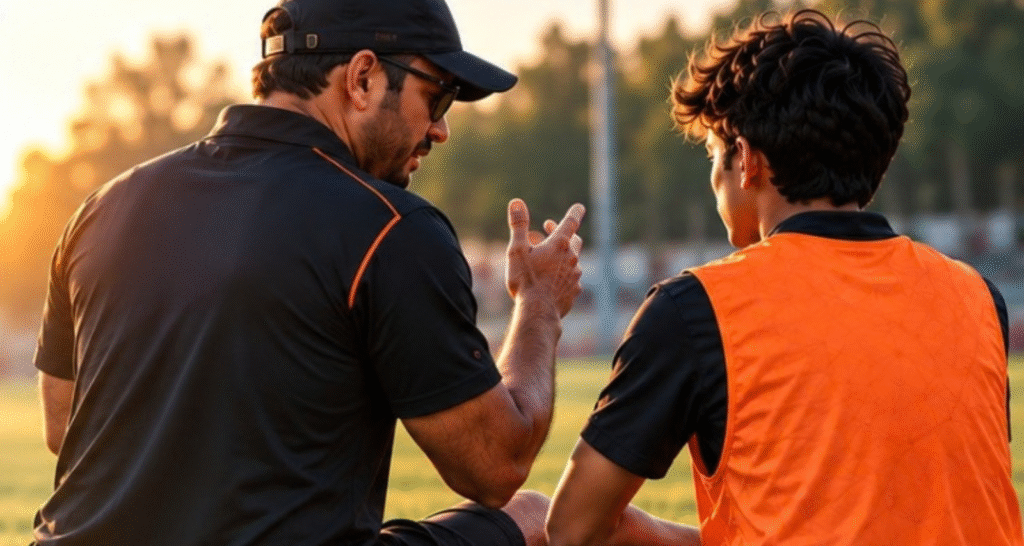
The first few minutes of practice can tell a coach a lot. An athlete arrives with something they watched online, questions a correction, compares their progress with another social media player and expects results sooner than the coach believes is realistic.
None of these moments, on their own, tells the full story. But together, they reveal how much the sporting environment around young athletes has changed. Coaching GenZ Athletes is no longer only about technique, fitness and tactics. It is also about understanding how today’s athletes receive information, respond to feedback, handle comparison and view authority.
Dr Swaroop Savanur, through years of working with athletes and coaches, has seen how the mental side of performance can influence what happens in training just as much as what happens during competition.
A sports psychologist looks beyond the visible behaviour to understand what may be happening underneath it. At MyMentalCoach, this understanding forms an important part of helping coaches recognise the changing athlete in front of them.
The question is not whether GenZ athletes are harder to coach. The more useful question is: What has changed about the way coaches need to understand them?
The GenZ Athlete Is Not the Athlete You Were Used to Coaching
A coach can explain something clearly, watch an athlete nod in agreement and genuinely believe the message has reached them. Yet a few days later, the same instruction may need to be repeated.
An athlete may come into practice with strong opinions because they have watched a professional player, followed a fitness creator, heard advice from another coach or seen a completely different approach online.
They may question feedback, compare their progress with someone they follow on social media, expect improvement much sooner than their current stage allows, or struggle to accept a correction that feels uncomfortable.
None of this automatically means the athlete is careless, arrogant or does not respect the coach. It tells us that Coaching GenZ Athletes is happening in a very different environment.
Today’s young athletes are growing up with constant access to information, opinions, comparison and visible success. They can see another athlete’s medal, selection, physique, training session or achievement within seconds, without seeing the years of work, setbacks and uncertainty behind it.
This can create an expectation that progress should also happen quickly, and that if someone else is achieving more, they should be able to do the same. At the same time, many GenZ athletes want to understand why they are being asked to do something rather than simply accepting an instruction because a coach said so.
For coaches, this can create a difficult space where listening does not always lead to implementation, confidence can sometimes come across as resistance, and a simple correction can turn into a difficult conversation.
Coaching GenZ Athletes therefore requires coaches to understand more than what an athlete is doing on the field. It requires them to notice how the athlete is receiving information, responding to feedback, dealing with comparison, viewing progress and relating to authority.
The challenge is not to label this generation as difficult or to coach every athlete in the same way. The real challenge is understanding what has changed in the coach athlete relationship and recognising the situations that are making Coaching GenZ Athletes increasingly difficult for coaches today.
3 Challenges Coaches face while Coaching GenZ Athletes
1: They are Sharp but Overinformed
A GenZ athlete can come to practice already knowing a lot. The challenge for a coach is not that the athlete has information. It is knowing whether the athlete understands which information actually applies to them.
A professional player’s technique, training routine or path to success may look convincing on social media, but the athlete may not see the years of practice, setbacks and gradual progress behind it.
Social media can make success look much closer and faster than it really is. An athlete sees a professional getting selected, winning a medal, improving a personal best or reaching a high level and may start expecting a similar pace in their own journey.
This is where Coaching GenZ Athletes can become challenging. The coach sees the full journey, including mistakes, repetition and small improvements, while the athlete often sees someone else’s highlight. The result can be unrealistic expectations about how quickly success should come.
For Coaching GenZ Athletes, the challenge is therefore not simply dealing with an informed athlete, but helping them understand what information matters for their own stage, sport and development.
2: They Listen… But They Don’t Implement
One of the most frustrating moments for a coach is giving the same instruction repeatedly and still seeing the same behaviour. An athlete may listen carefully, say “Yes, coach,” and even understand exactly what was discussed, but understanding an instruction does not always mean being able to apply it consistently.
A coach may remind an athlete about the same correction on Monday, Wednesday and Friday, only to see the same mistake again the following week. It can easily feel like the athlete is not listening, but the situation may be more complicated.
The athlete may forget the instruction when pressure increases, fail to notice when they are repeating the mistake, or simply not know how to apply what they understood during actual performance.
Sometimes they are mentally distracted or overwhelmed, while at other times a new behaviour has simply not become natural yet. There is another challenge too. When athletes receive constant instructions, corrections and advice, even useful feedback can start becoming background noise.
This is an important part of Coaching GenZ Athletes because the gap is not always between hearing and ignoring. Sometimes it is between understanding and implementing. Repeating the same instruction louder or more often may not explain why the athlete is struggling to apply it.
The coach may need to look beyond the visible mistake and understand what is happening with the athlete’s mindset and mental state.
3: They Question the Coach but Don’t Always Understand Respect
The coach athlete relationship is also changing because young athletes today are more comfortable asking questions and expressing what they think. A GenZ athlete may ask why a particular drill is necessary, why they cannot try another approach, or why another player is being treated differently.
Asking questions is not automatically a sign of disrespect. In many cases, it simply means the athlete wants to understand the reason behind an instruction. The difficulty begins when a question becomes an argument, disagreement becomes resistance, or confidence starts affecting the way the athlete speaks to the coach.
A coach may feel that their authority is being challenged, while the athlete may genuinely believe they are only expressing their point of view.
This difference can become especially difficult when an athlete repeatedly ignores an instruction, argues after feedback, compares the coach’s approach with someone else’s, refuses to accept a correction or expects exceptions that other athletes do not receive.
For the coach, these situations are rarely just about one comment or one moment at practice. They can affect trust, discipline and the atmosphere within the entire group.
Coaching GenZ Athletes therefore also means navigating a changing understanding of authority while maintaining the relationship that allows coaching to work. The difficult part is not simply deciding who is right. It is knowing how to address the behaviour clearly, protect the coach’s role and still keep the athlete open to the conversation.
What Coaches Are Being Asked to Handle Today
The role of a coach has quietly become much bigger than teaching technique, improving fitness and preparing athletes for competition.
Alongside training, coaches are now dealing with confidence that changes from one session to another, athletes who compare their progress with others, pressure around selection and performance, expectations of quick results, difficulty maintaining attention and conversations that can become complicated when an athlete is disappointed or frustrated.
Social media adds another layer because today’s athletes are constantly exposed to other people’s performances, opinions, training routines and visible achievements, often without seeing the complete journey behind them.
Parents can also bring their own expectations into the sporting environment. None of this means that a coach is expected to become a sports psychologist. But coaching GenZ Athletes does require modern coaches to learn how to understand the mindset of GenZ athletes, handle important but difficult conversations in practical ways and identify mental challenges that may not be obvious from the outside.
A coach needs to recognise when a change in motivation may be connected to something deeper, when a strong reaction may be related to pressure, when comparison is affecting an athlete’s approach to training or when the expectation of quick success is changing how they respond to setbacks.
This brings the real question closer to the coach: Do I understand what is happening in my athlete’s mind? Understanding the GenZ mindset, handling difficult conversations and identifying athletes’ mental challenges are becoming increasingly important parts of Coaching GenZ Athletes.
These are not about replacing the coach’s role or turning every training problem into a psychological issue. They are about helping coaches understand the athlete in front of them well enough to recognise when something has changed and respond appropriately.

This Is Where MyMentalCoach Comes In
The athlete has changed. The coaching relationship has changed. The information around the athlete has changed. But the coach’s role remains important. The strongest coaches may not be the ones who have an answer to every GenZ behaviour.
They may be the ones who can pause, understand what is happening, have the difficult conversation and recognise when the problem goes deeper than what they see at practice.
Coaching GenZ Athletes is not about changing today’s athletes into the athletes coaches were used to working with. It is about understanding the athlete in front of you and adapting to what modern coaching requires.
At MyMentalCoach, Dr Swaroop Savanur and the team have created CoachEdge to help modern coaches build the understanding and practical mental performance skills required for Coaching GenZ Athletes.
CoachEdge focuses on three important areas coaches increasingly need to develop: understanding the mindset of today’s GenZ athletes, handling important and difficult coach athlete conversations in practical ways, and identifying mental and performance challenges that may sit behind an athlete’s visible behaviour.
It also helps coaches communicate more effectively, understand behaviour beyond the surface and recognise when an athlete may need deeper mental performance support.
The goal is not to change GenZ athletes into the athletes coaches were used to coaching. It is to help coaches understand the athletes they are coaching today.
Join CoachEdge by MyMentalCoach and build practical mental performance knowledge for the realities of modern sports coaching. To understand how mental training can support your coaching environment, connect with MyMentalCoach to book a Free 15-Minute Call at +91 98237 91323.

