

Your two best players are competing for the same place in the starting lineup. Both are training hard, but when one performs well, the other loses focus, becomes frustrated or feels the need to prove they are better.
As a coach, how do you recognise when competition is helping your athletes improve and when it is beginning to affect the team? Unhealthy competition does not always lead to arguments.
Sometimes, it shows up in a player’s reaction to a teammate’s success, reluctance to share knowledge or inability to concentrate on their own game. Recognising these subtle changes early can protect both individual development and team performance.
Drawing on his expertise in mental conditioning and peak performance, Dr Swaroop Savanur, Founder and Director of MyMentalCoach, emphasises the importance of developing the mental skills that help athletes handle competitive pressure.
This article explores three practical ways coaches can address unhealthy rivalry without reducing their athletes’ ambition to win.
When Teammates Start Treating Each Other Like Opponents
Two athletes in your squad are competing for the same place in the starting lineup. Both are working hard, both want to be selected, and both know that their performance matters. But gradually, something changes.
When one performs well, the other finds it difficult to be happy for them. Training scores become a source of comparison, mistakes feel more embarrassing when teammates are watching, and an athlete who once supported others begins to see their success as a threat.
As a coach, you may notice these changes in small ways before they become an obvious conflict. Athletes may become quieter around certain teammates, lose focus after someone else receives praise, or become so concerned about proving themselves that they stop concentrating on what they need to improve.
Unhealthy competition does not always look like an argument or an open disagreement. Sometimes, it appears in the way athletes respond to each other’s performances, handle feedback or behave when selection is at stake.
Competition is an important part of sport, and coaches should not have to reduce their athletes’ ambition to maintain a positive team environment. The challenge is to recognise when the desire to earn a place, win a match or perform better than a teammate starts interfering with an athlete’s own development.
When athletes constantly measure their progress against others, they can lose sight of their individual goals, become overly affected by results they cannot control and struggle to recognise their own improvement.
Unhealthy competition can also affect the trust and cooperation that a squad needs to perform well together. The answer is not to expect every athlete to be friends or to remove the pressure that comes with selection. It is to help athletes understand their responses, stay focused on their own performance and respect the people they compete alongside.
For coaches, recognising this difference is the first step towards building a team where athletes can compete intensely without making a teammate’s success feel like their own failure.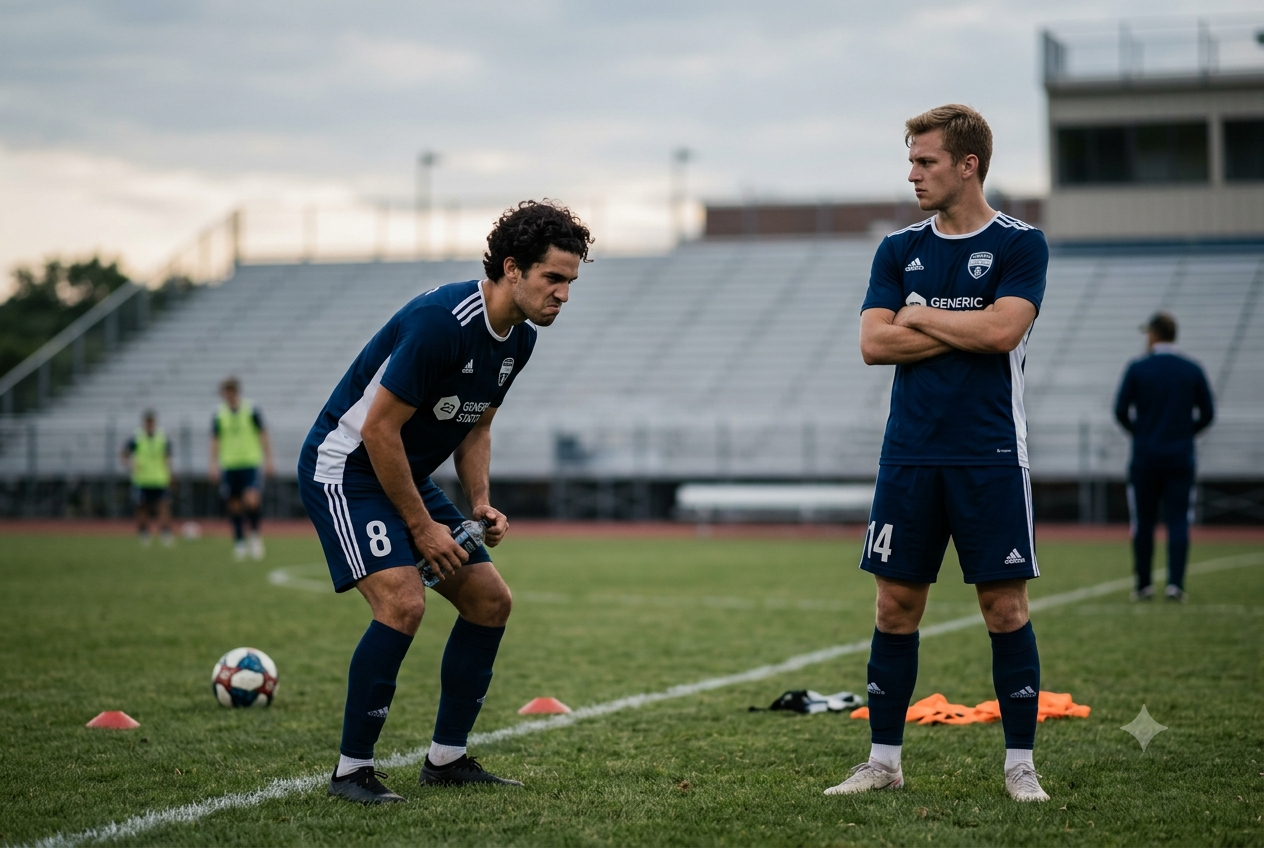
3 Ways to Address the unhealthy competition
1. Recognise When Competition Is No Longer Helping Your Athletes Improve
Competition becomes unhealthy when an athlete starts paying more attention to how their teammates are performing than to what they need to improve themselves. As a coach, you may notice a player repeatedly checking a teammate’s scores, becoming visibly disappointed when someone else gets selected, or withholding help from a teammate they see as a rival.
These signs of unhealthy competition in sports can be easy to overlook because they often appear alongside qualities coaches value, such as ambition, intensity and the desire to earn a place in the team.
Consider two batters competing for a place in the playing XI. During a drill designed to practise leaving the ball, one batter notices that the other is scoring freely and begins attempting unnecessary shots to prove that they are the better player.
The problem is not that the batter wants selection. It is that the pressure to outperform a teammate has taken attention away from the purpose of the drill. This is where coaches need to look beyond the immediate behaviour and understand what is driving it.
Is the athlete worried about losing their place? Do they believe their performance is being compared with someone else’s? Are they struggling to recognise their own progress unless they perform better than a teammate?
Understanding these concerns helps coaches address the actual problem instead of simply labelling the athlete as jealous, selfish or overcompetitive. When identifying signs of unhealthy competition in sports, pay attention to whether athletes can stay committed to their own training objectives even when a teammate performs better.
Healthy competition should encourage athletes to raise their standards, not make them lose sight of what they are practising, how they are improving and what the team needs from them.
2. Make It Clear What Athletes Are Actually Competing For
When athletes are unsure what their coach expects, every drill can start feeling like a selection trial. A correction feels like a setback, and a teammate’s good performance feels like a threat.
Coaches can manage competition pressure by clearly explaining the purpose of each drill, communicating selection criteria and separating improvement feedback from selection decisions.
For example, during a football finishing drill, if the goal is to improve decision making, help players understand that the quality of their decisions matters, not just the number of goals scored.
Athletes need to know what they are working towards, rather than constantly guessing where they stand against their teammates. Managing competition pressure in sports begins with this clarity. When athletes understand what is expected of them, they can focus on improving their own performance without turning every training session into a comparison.
3. Address Rivalry Before It Becomes a Team Problem
Unhealthy competition rarely begins with a major disagreement. It can start with a sarcastic comment after a teammate makes a mistake, frustration when another player receives praise, or refusing to cooperate during a drill.
If coaches overlook these behaviours, small tensions can gradually affect trust and teamwork. Address unhealthy competition early by speaking to the athlete privately, describing the behaviour you have observed and asking what was going through their mind.
Maybe they are worried about selection, comparing their progress with others or feeling overlooked. Understanding the reason helps you address the real concern without labelling the athlete as jealous or selfish.
However, understanding their feelings does not mean excusing disrespectful behaviour. Make it clear that wanting to earn a place in the team is healthy, but undermining a teammate is not. By helping athletes recognise their reactions and take responsibility for their actions, coaches can address unhealthy competition before it affects the entire squad.
Three habits coaches can build into training
1. Return to Individual Goals:
Address unhealthy competition by helping athletes focus on one controllable skill, such as footwork, shot selection or consistency under pressure.
2. Learn from Teammates:
Reduce unhealthy competition by encouraging athletes to learn from a teammate’s strengths instead of viewing their success as a personal threat.
3. Review Personal Progress:
Prevent unhealthy competition from taking over by asking athletes what improved, what needs work and what they will try next, rather than judging development only by results.
Strong Squads Compete Hard Without Losing Respect for Each Other
A strong team is not one where athletes stop competing against each other. It is one where players can fight for selection, push themselves to improve and feel disappointed when they fall short without allowing those feelings to affect how they treat their teammates.
For coaches, the real challenge is recognising when the desire to perform better starts interfering with the ability to learn and work together. Unhealthy competition does not always begin with a major conflict.
It can develop through small reactions, such as losing focus when a teammate is praised, taking unnecessary risks to prove a point or refusing to share responsibility during practice. These behaviours deserve attention before they begin affecting confidence, decision making and trust within the squad.
Coaches can make a difference by recognising these early signs, clarifying what athletes are expected to improve and how selection decisions are made, and addressing tensions privately rather than embarrassing players in front of their teammates.
Just as importantly, athletes need to learn how to respond when someone else performs better. A teammate’s success does not automatically mean their own progress has stopped.
This is where coaches can help athletes develop a healthier relationship with competition. After a practice session or match, bring their attention back to what they can learn, what they need to improve and how they can respond better the next time they face pressure.
When a player loses a place in the starting eleven or watches a teammate receive recognition, the aim is not to eliminate disappointment or ambition. It is to help them respond without losing sight of their own development or respect for others.
Addressing unhealthy competition requires more than asking players to get along. It means helping them recognise their reactions, stay focused on their responsibilities and understand that being a good teammate does not make them less competitive.
When athletes learn to challenge each other without undermining each other, competition becomes a part of the team’s development rather than a distraction from it.
When unhealthy competition starts affecting how athletes train and respond to one another, individual conversations with a coach can help, but athletes also need opportunities to develop their mental skills together.
MyMentalCoach’s Academy Module Program’s Confidence Module offers academies a group-based approach to building confidence, self-belief, consistency and performance under pressure.
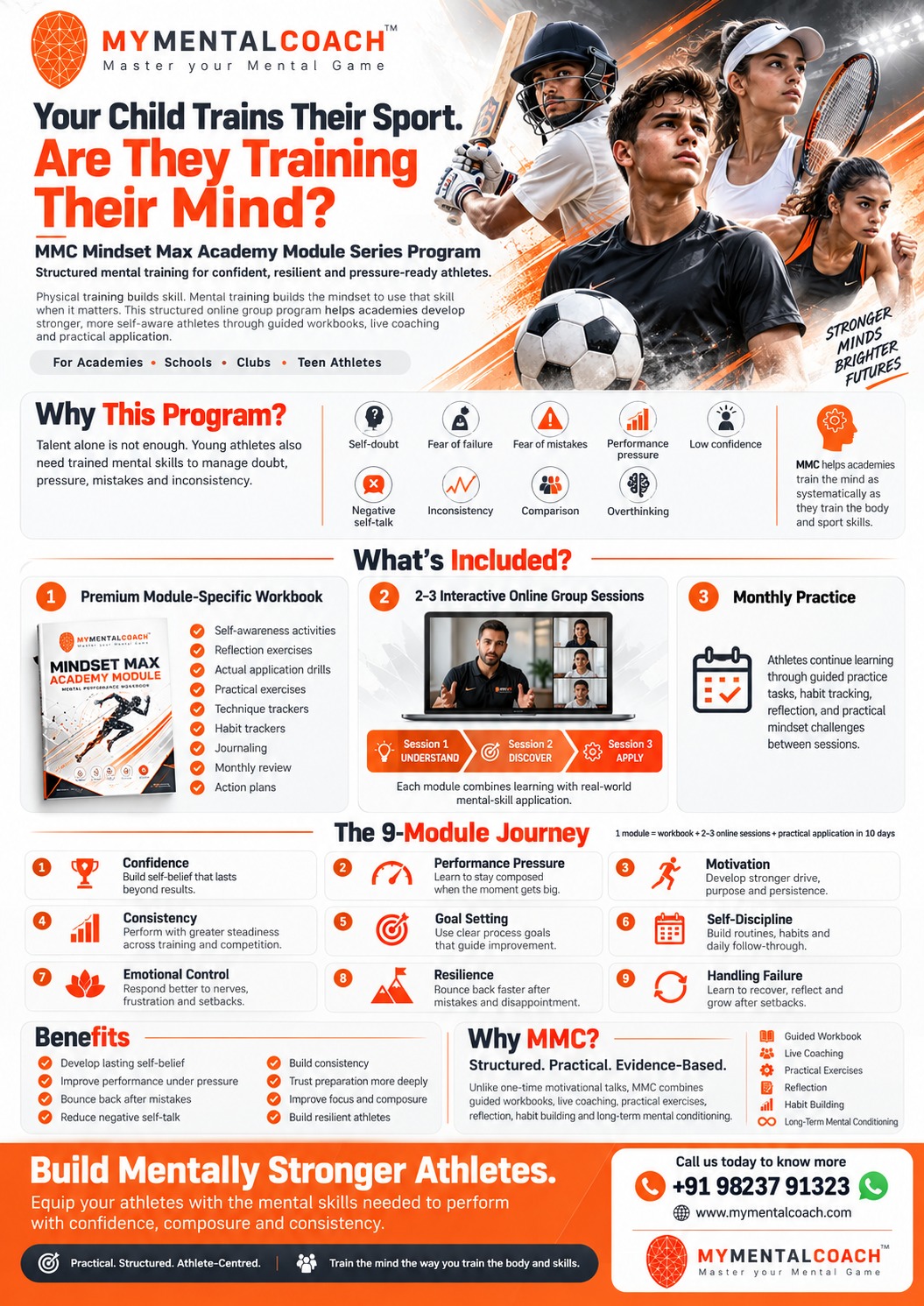
Through structured, interactive sessions, athletes learn to understand their confidence, recognise the situations that affect it and develop healthier responses to competitive challenges.
For academies, this creates an opportunity to address the mental side of performance across a group of athletes, helping them pursue individual goals while learning to handle competition more constructively.
How MyMentalCoach Can Help Coaches Address Unhealthy Competition
Unhealthy competition is not something coaches can resolve simply by telling athletes to stop comparing themselves with others.
Athletes need to understand what triggers these comparisons, how they respond when a teammate performs better and where they can direct their attention instead. With consistent mental training, they can learn to manage competitive pressure, develop self-awareness, maintain focus and respond more constructively to both success and disappointment.
The goal is not to reduce ambition, but to help athletes compete with confidence while protecting the trust and cooperation that strong teams depend on.
At MyMentalCoach, mental training is approached as an essential part of athletic development, alongside physical fitness and technical skills. Dr Swaroop Savanur, Founder and Director of MyMentalCoach, works with athletes and teams to strengthen the mental skills that influence performance, including confidence, focus, emotional control and responding to pressure.
If you are a coach noticing unhealthy competition within your squad and want to understand how mental training can support your athletes, you can Book a Free 15 minute Call with Dr. Swaroop Savanur. Call or WhatsApp +91 98237 91323 to discuss the challenges your team is facing.

