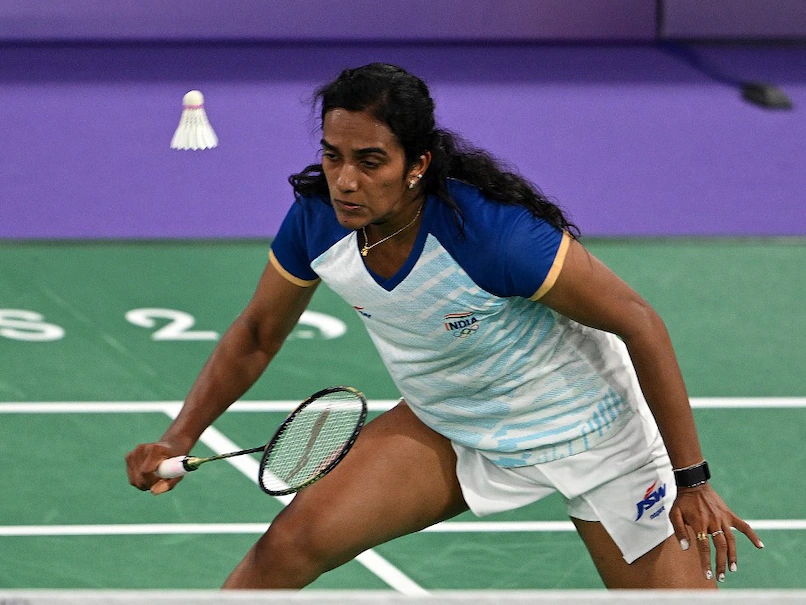

“What if I’m not selected?” For an athlete who has trained for months, sometimes years, that one thought can become louder than the game itself. You start thinking about who else is performing well, whether your coach is watching, whether one mistake could cost you your place, and what happens if your name isn’t on the list.
This is the reality of selection pressure and it can affect even athletes who are confident and well-prepared.
As sports psychologists at MyMentalCoach, we look at the mental side of these moments closely because selection isn’t only about skill; it is also about how you handle uncertainty, pressure, comparison and the fear of not being chosen.
The goal isn’t to stop caring about selection, it is to learn how to keep performing when the outcome is still unknown.
What If I’m Not Selected
You have trained for weeks, turned up when you didn’t feel like training, worked on the areas your coach asked you to improve, and now you are waiting for one decision. Maybe the list comes out tomorrow. Maybe the coach hasn’t said anything yet.
And suddenly, every small moment from your last few sessions starts playing in your head: “Did I do enough?” “What if they choose someone else?” “What if I don’t make the team?” “What will my coach and parents think?” This is what makes selection pressure in sports so mentally demanding. It isn’t just about wanting to play well; it can start feeling like your place in the team, your progress and even your identity as an athlete are being judged at the same time.
Whether you’re a young cricketer waiting for an academy squad, a tennis player hoping to make the next tournament team, or an athlete preparing for a major selection trial, that uncertainty can occupy your mind long before you step onto the field.
But here is the part athletes often forget: selection is an outcome, not something you can completely control. You can control how seriously you train, how you respond to your coach, how you recover after a poor session, how you approach the next ball or point, and whether you stay committed when things don’t go your way.
You cannot control who else turns up, what the selectors are looking for on that particular day, or the final decision. Learning to separate these two areas is a powerful part of handling pressure. At MyMentalCoach, we often look at performance not by asking, “How do I stop worrying about selection?” but by asking, “How do I keep performing well while I don’t know the outcome?”.
Why Does Selection Pressure Affect Performance?
Selection pressure can change the way an athlete experiences a competition. You may walk into training knowing exactly what you want to work on, but when you know a coach or selector is watching, your mind can become much louder: “Don’t make a mistake,” “I have to impress them,” “What if someone else performs better?”
Suddenly, you are not just playing—you are watching yourself play. A cricketer who normally reacts naturally to a delivery may start thinking about whether the coach noticed the last shot. A footballer may hesitate over a pass because they are worried about making the wrong decision. A tennis player may think about the selector sitting courtside instead of focusing on the next point.
This is one reason selection pressure in sports can affect performance: attention that should be directed towards the ball, opponent, movement or game situation gets pulled towards fear, comparison and self-judgement.
And the harder an athlete tries to prove they deserve selection, the more difficult it can become to simply perform. You may start taking unnecessary risks, rushing decisions, becoming frustrated after small mistakes or constantly looking towards the coach for a reaction.
None of this means you suddenly lost your ability. Your attention has simply moved from performing the skill to monitoring whether you are performing well enough.
The goal isn’t to tell an athlete, “Don’t be nervous.” Nervousness is a normal response when something matters. The goal is to help them recognise when pressure is taking their attention away from the task and bring it back.
Selection can affect an athlete far beyond the final team list. If you want to understand the emotional side of both being selected and being left out, this deeper look at The Painful Reality of Selection & Non-Selection Pressure in Sports is worth reading.
4 Ways to Handle Selection Pressure in Sports
1. Separate What You Can Control From What You Can’t
When selection is close, it is very easy for an athlete’s mind to spend more time on the selector’s decision than on their own performance. “What if someone else performs better?” “What if the coach doesn’t notice me?” “What if they need a different type of player?”
You can think about these questions for hours, but none of them will change the final list. This is where the circle of control becomes useful. You can control how you prepare, your effort in today’s session, your recovery, your attitude, how you respond after making a mistake and how you communicate with your coach.
You cannot completely control another athlete’s performance, the team’s requirements, the selection criteria or the coach’s final decision. This distinction becomes especially important during selection pressure in sports, because constantly trying to predict an outcome you don’t control uses the same mental energy you need to perform.
Instead of asking, “What if I’m not selected?”, bring yourself back to a more useful question: “What can I do well in this session that is within my control?” You may not control the selection list, but you can control the athlete you bring to the session today. Don’t spend your mental energy trying to control a decision that isn’t yours to make.
2. Stop Turning Selection Into a Judgment of Your Worth
For an athlete who has invested years into their sport, not being selected can feel deeply personal. It can quickly change from “I wasn’t selected” to “I’m not good enough,” or even “Maybe I’m not meant for this.”
That is where Selection Pressure can start affecting more than performance—it can affect confidence and self-belief. An athlete may compare themselves with the teammate who made the squad, replay every mistake from the trial, or feel they have disappointed their coach or parents.
Perfectionism can make this even harder because anything short of selection may feel like failure. But your performance and your identity are not the same thing. A selection decision reflects a particular set of circumstances, team requirements and performance at a particular point in time; it does not measure your potential or determine how far you can go in your sport.
You can be disappointed, frustrated or hurt by the decision without turning that emotion into a conclusion about yourself. Instead of “I’m not good enough,” try asking, “I wasn’t selected this time—what can I learn, what can I improve, and what do I want to do next?” A selection decision can describe an outcome. It does not define an athlete.
3. Stay in Performance Mode Instead of “Proving Yourself” Mode
When selection is approaching, many athletes stop playing their normal game and start trying to prove that they deserve a place. You may take a shot you wouldn’t normally take, rush a decision, play too cautiously after one mistake, or keep checking whether the coach noticed what you did.
The intention is understandable, you care about making the team, but this is where selection pressure can pull your attention away from the actual task. Instead of focusing on the next ball, point, movement or decision, your mind becomes busy asking, “Am I impressing them?” bringing your attention back to what you need to do well in the moment is essential.
A cricketer focuses on watching the ball, a tennis player focuses on the next point, and a shooter returns attention to their routine rather than the selection outcome.
The question changes from “How do I prove myself?” to “What does good performance look like for me right now?” That shift helps you trust your preparation instead of forcing your performance. Don’t perform to prove your worth. Perform to express your preparation.
4. Build a Routine for the Waiting Period
Selection Pressure doesn’t end when the trial or match is over. For many athletes, the waiting period can actually feel harder because there is nothing more to “do,” yet the mind keeps working.
You may check your phone repeatedly, ask teammates if they have heard anything, replay that one mistake from the trial, compare your performance with someone else’s, or try to read meaning into every small comment from your coach.
Instead of allowing the waiting period to become another performance test, give your mind a simple routine. After training, take a few minutes to ask yourself: What did I do well? What is one thing I can improve? What do I need to let go of now? Then return to your normal training, studies, family time or recovery rather than mentally replaying the same session all evening.
Before your next performance, use a simple routine to bring your attention back to the present. The aim isn’t to make yourself completely calm or remove every nervous thought; it is to learn how to perform effectively even when you feel uncertain. You don’t need to feel completely calm to perform well. You need a way to bring your attention back when pressure pulls it away.

What If You Don’t Get Selected?
Not being selected can hurt, especially when you have trained hard and genuinely wanted that opportunity. You don’t have to immediately tell yourself to “move on,” pretend you’re fine, or act as though the decision doesn’t matter.
Give yourself space to feel disappointed, but don’t let disappointment become a permanent judgement about your ability. Selection pressure can make athletes look at the result emotionally rather than objectively, so start with a simple process: Pause → Understand → Learn → Respond.
Once the initial emotion settles, ask yourself: What feedback can I get? Which part of my performance needs work? What can I improve before the next opportunity? What is my next performance goal?
If possible, have a constructive conversation with your coach and turn the selection decision into something useful rather than something you keep replaying in your head.
The important shift is from “Why wasn’t I good enough?” to “What does this tell me about what I need to work on next?” That doesn’t mean every non-selection has a simple reason or that working harder automatically guarantees the next opportunity.
Selection can depend on team requirements, competition, timing and factors outside your control. What you can control is how you respond. A setback can either become a story you keep telling yourself about why you aren’t good enough, or information that helps shape your next phase of training.
When Selection Pressure Starts Affecting an Athlete’s Performance
A certain amount of nervousness before selection is completely normal—especially when an athlete has worked hard for an opportunity and genuinely cares about the outcome. The concern is when selection pressure starts following the athlete everywhere.
You may notice that training is no longer enjoyable because every session feels like an audition, a small mistake stays in your head for hours, or your confidence seems to depend on how you performed that day.
Some athletes begin comparing themselves constantly with teammates, worrying excessively about what the coach thinks, struggling to switch off at night, or even avoiding situations where they might make a mistake.
You might also notice a clear difference between how you perform during relaxed practice and how you perform when selection is on the line.
These signs don’t mean that something is “wrong” with you, and they certainly don’t mean you aren’t mentally strong enough for competitive sport. They are signals worth paying attention to.
If selection pressure is consistently affecting your focus, confidence, enjoyment or ability to perform naturally, it may be useful to work specifically on the mental side of your game. Just as you wouldn’t wait for a technical weakness to become a major problem before working on it, mental skills can also be trained before pressure starts controlling your performance.
The goal isn’t to remove the importance of selection; it is to help you stay focused, confident and consistent even when the outcome matters.
How MyMentalCoach Can Help Athletes Handle Selection Pressure
Selection will always matter to an athlete. You have every right to want that place, feel nervous about the decision and be disappointed if things don’t go your way. But your performance doesn’t have to become a constant attempt to prove that you deserve it.
You can prepare well, focus on what you control, respond to mistakes, manage your thoughts and keep your attention on the next performance rather than the final list. Selection pressure becomes easier to handle when you stop treating uncertainty as something you must solve and start treating it as something you can perform through.
You don’t need to stop caring about selection. You need to stop letting selection control how you perform.
At MyMentalCoach, we help athletes train the mental side of performance just as seriously as they train their physical and technical skills.
Through personalised mental training, athletes can work on confidence under pressure, focus and concentration, emotional regulation, self-awareness, performance routines, and handling both selection and non-selection in a healthier, more constructive way.
If selection pressure is affecting your confidence or performance, you can speak with our team to book a free 15-minute call by dialing +91 91122 20823 to understand what kind of mental training could support your performance.