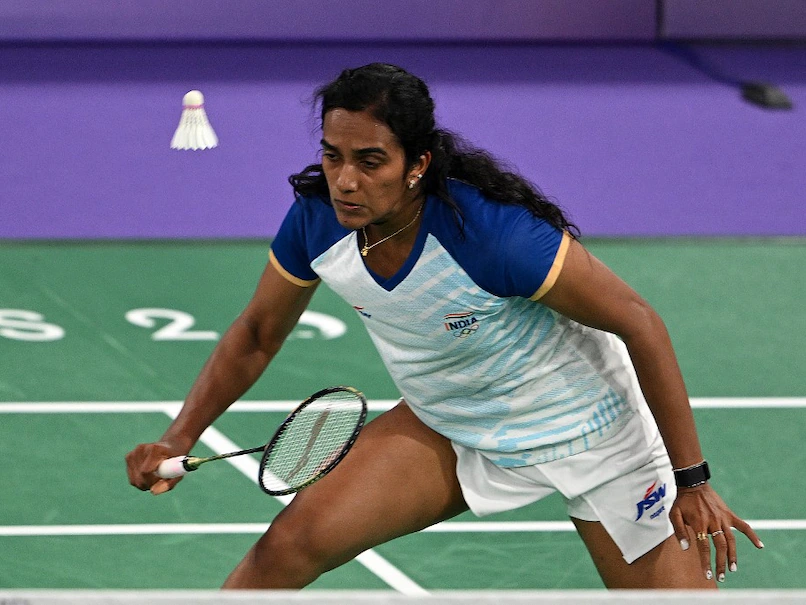
The competition has not even started, yet your mind is already playing it. You imagine the first point, the scoreboard, the opponent standing across from you and the moment when everyone is watching.
For some athletes, these mental thoughts can feel harder to handle than the competition itself. Pre-competition nervousness can show up in unexpected ways, from becoming unusually quiet to feeling restless or questioning decisions you would normally make without hesitation.
But what if these feelings are not something you need to eliminate before you compete, but something you can learn to work with?
Dr. Swaroop Savanur, Founder and Director of MyMentalCoach, draws on his experience in mental conditioning and peak performance, alongside the expertise of sports psychologists, to explore four practical ways athletes can manage these nerves and approach competition with greater control over their thoughts and actions.
You Have Prepared for This. So Why Are You Nervous?
You have trained for weeks, followed your coach’s instructions and worked on the areas that needed improvement. You know what you need to do when you step onto the field, court or track.
Yet, as competition day approaches, you find yourself thinking more about what could go wrong than what you have prepared to do. You wonder whether your competitors are better prepared, whether you will perform as well as you did in practice, or how your coach will react if you make a mistake.
Even when nothing has gone wrong, your mind starts questioning things you were confident about just a few days ago. This is what pre-competition nervousness can feel like. It can affect experienced athletes as much as those who are still finding their feet in competitive sport.
And when you have worked hard for an opportunity, it is understandable that the outcome begins to matter more than usual.
The difficulty is not simply that you feel nervous. It is what you begin to do because of that nervousness. You may start doubting your preparation, worrying about the result before the competition has even begun, or putting pressure on yourself to perform perfectly.
You might even interpret feeling nervous as a sign that you are not ready, which can make you question yourself further. But feeling nervous does not automatically mean you lack confidence or that your preparation has been inadequate.
The aim is not to force yourself to feel completely calm before every competition. It is to understand what is happening, recognise when your thoughts are pulling you away from your performance, and learn how to respond without letting those feelings decide how you compete.
Managing pre-competition nervousness begins with changing how you approach these moments, so you can focus less on what might happen and more on what you have trained yourself to do.
Four Ways to Handle Pre-Competition Nervousness.
1: Replace “What If I Fail?” With “What Is My Next Job?”
As competition day approaches, it is easy to start thinking about everything that depends on your performance. You might worry about getting selected, losing to a particular opponent, disappointing your coach or failing to achieve a goal you have worked towards for months.
The more you think about these outcomes, the harder it can become to concentrate on what you actually need to do during the competition. This is where you need to bring your attention back to the task in front of you. When you catch yourself thinking, “What if I lose?” or “What if I make a mistake?”, ask yourself, “What do I need to focus on right now?”
For a cricketer, it might mean watching the ball rather than worrying about getting out. For any athlete, it could mean following the game plan, staying alert to the next play or executing the skill they have practised.
You do not need to pretend that the result does not matter. It is natural to care about something you have worked hard for. However, the result is not something you can fully control before the competition begins.
Your preparation, decisions and actions are where your attention can make a difference. When pre-competition nervousness pulls you towards thoughts about winning, losing or what others might think, returning to your next task gives you something concrete to focus on.
The aim is not to stop every worrying thought from appearing, but to prevent it from taking your attention away from the performance you are there to deliver.
2: Give Your Body a Familiar Reset
Have you ever noticed that as a competition gets closer, your body seems to have its own reaction? Your shoulders feel tense, your movements become hurried, or you find it difficult to settle down even when you have time before your event begins.
You may keep checking your equipment, moving around or trying to do something to feel ready. These reactions can become another source of worry when you start thinking that you are too nervous to perform well.
Instead of fighting these feelings or expecting them to disappear immediately, take a moment to settle yourself. Relax your jaw and shoulders, take a few comfortable, unhurried breaths, and return to the pre competition routine you have practised before.
The purpose is not to force your body into feeling completely calm. It is to give yourself a familiar way to prepare, even when you feel unsettled.
For instance, a shooter may take a moment to settle before beginning their established shooting routine, while a footballer may use a brief pause before a set piece to bring their attention back to the task.
When managing pre-competition nervousness, remember that you do not have to wait until you feel perfectly relaxed to begin performing. Your body may still feel the pressure, but you can practise responding to it in a way that helps you prepare for the competition ahead.
Becoming familiar with this reset can help you approach competition day with greater awareness of how you feel and what helps you get ready.
3: Rehearse Your Response, Not Just Your Success
When athletes think about an upcoming competition, they often picture the moment they win, achieve their target or deliver the performance they have been working towards. While it is good to have goals, competition rarely unfolds exactly as imagined.
An unexpected decision, an opponent’s strong start or an early mistake can change the situation within seconds. If you have only imagined yourself performing perfectly, you may find it harder to respond when something does not go according to plan.
This is where mental rehearsal becomes useful. Before competition day, take time to picture yourself going through your usual preparation, responding to a difficult moment and continuing to compete even when things do not feel easy.
Imagine making a mistake, acknowledging it and returning your attention to what comes next instead of carrying that moment into the rest of your performance. A badminton player, for instance, can mentally rehearse staying engaged in the match after losing a few early points rather than assuming the game is slipping away.
The purpose is not to predict every possible problem or convince yourself that everything will go well. It is to become more familiar with how you want to respond when the competition tests you.
As part of managing pre-competition nervousness, this approach shifts your preparation from hoping that nothing goes wrong to building confidence in your ability to handle different situations. You may not be able to decide how every moment of the competition unfolds, but you can prepare yourself to respond with greater clarity when it does.
4: Follow a Competition-Day Plan You Have Already Practised
As an important competition gets closer, you may feel tempted to do more than usual. You might add an extra practice session because you suddenly feel underprepared, change your warm up routine after watching another athlete, or keep asking your coach whether you are ready.
These decisions often come from wanting to make sure nothing goes wrong, but constantly changing your approach can leave you feeling less settled than before.
Instead, decide in advance what your competition day will look like, in line with your coach’s guidance and the requirements of your sport. Know what you need to organise before leaving home, how you will approach your warm up, and which one or two performance cues you want to remember when the event begins.
It is equally important to decide how you will respond after a mistake, so that one disappointing moment does not leave you unsure about what to do next. This does not mean following a rigid schedule when circumstances change.
Competition timings, conditions and instructions can be different from what you expected, so your plan should leave room to adapt. The idea is to avoid making unnecessary changes simply because you feel nervous.
When pre-competition nervousness makes you question whether you have done enough, a familiar plan reminds you of the preparation you have already completed and the actions you need to take next.
Rather than spending competition day searching for a new way to feel ready, you can put your energy into following the process you have practised.

What If You Still Feel Nervous When the Competition Begins?
Handling pre-competition nervousness also means learning to stay mentally engaged when doubts creep in or motivation begins to fluctuate. Watch this short video on 3 Mental Habits to Stay Motivated for practical reminders on building mental habits that support you through the demands of training and competition.
You have followed your routine, prepared for the event and reminded yourself to focus on the next action. Yet, when you finally step onto the field or stand at the starting line, your heart is still racing and your mind feels unsettled.
What do you do then? First, stop treating nervousness as proof that something is wrong. You can prepare well and still feel nervous when the moment arrives, especially when the competition matters to you.
The real question is not whether you feel nervous, but whether you know how to respond when you do. Imagine a swimmer standing behind the blocks, feeling the pressure build just before the race.
Waiting to feel completely calm may only make them more conscious of their nervousness. Instead, they can return to their established routine, focus on their start and prepare to execute what they have practised.
The feeling does not have to disappear before they can perform. Similarly, pre-competition nervousness does not tell you whether you will win, lose or perform to your potential. It tells you that you are experiencing a moment that matters to you, and you still have a performance to focus on.
This is why mental preparation should not happen only when a competition is approaching. You need to train for nervousness just as you train for the demands of your sport. During practice, athletes often repeat their skills under familiar conditions, but competitions bring expectations, uncertainty, opponents and the possibility of making mistakes.
If you only practise when you feel comfortable, you may find it difficult to respond when those feelings change on competition day. Work with your coach to introduce appropriate competition like situations during training, practise following your routine when the pressure increases, and learn to bring your attention back to the task after an error.
You can become more familiar with performing even when you do not feel completely settled. The aim is not to make every practice session stressful or to eliminate nervousness altogether. It is to learn that an uncomfortable feeling does not have to dictate your next action.
When you train yourself to respond to pressure during practice, pre-competition nervousness becomes something you can learn to manage rather than something you must overcome before you are ready to compete.
You Do Not Need to Feel Ready Every Second to Compete
Remember the athlete who spent weeks preparing for a competition but still wondered why they felt nervous on the day?
Maybe that athlete is you. You have attended practice, worked on your weaknesses and followed your coach’s instructions, yet a few doubts still appear when the competition is close.
It is easy to believe that you should feel completely confident by now, especially when you see other athletes looking calm and composed. But being ready to compete does not mean you will never feel nervous.
It means you have prepared yourself to perform even when things feel uncertain. When your thoughts drift towards the result, bring your attention back to your next action. When your body feels tense, return to a familiar routine.
When you worry about making a mistake, remind yourself that you can respond to it and continue. These are not things you need to figure out for the first time on competition day.
They are skills you can develop through practice, so that pre-competition nervousness does not automatically pull you away from the performance you have worked hard to deliver.
The next time you feel nervous before an important competition, do not immediately question your preparation or assume that your confidence has disappeared. Instead, ask yourself whether you have practised what to do when these feelings show up.
Have you learnt to focus on what you can control? Can you follow your routine without waiting to feel perfectly calm? Have you prepared yourself to respond when the competition does not go according to plan?
These questions can help you approach mental preparation differently. In sports, you train for difficult opponents, demanding conditions and unexpected situations. Your mental game deserves the same attention.
Learning to handle pre-competition nervousness is not about guaranteeing that every competition will go well. It is about developing the ability to stay engaged, make decisions and keep competing when the pressure is real.
You may not control how you feel before the competition, but you can practise how you respond when it matters.
How MyMentalCoach Can Help Athletes Handle Competition Pressure
Learning to handle pre-competition nervousness takes more than reminding yourself to stay calm on competition day. It requires understanding what triggers your nervousness, recognising how it affects your thoughts and decisions, and practising how to respond when the pressure builds.
Just as you work on your technique, fitness and game strategy, your mental skills need regular attention too. With consistent mental training, you can learn to manage self-doubt, maintain focus when the result matters and recover your attention after mistakes.
The aim is not to guarantee that you will always feel confident before competing, but to help you develop the skills to perform even when you feel uncertain.
At MyMentalCoach, we help athletes train the mental side of performance through structured mental conditioning and peak performance coaching.
Founded by Dr. Swaroop Savanur, Founder & Director of MyMentalCoach, our approach focuses on developing practical skills in confidence, focus, consistency and handling performance pressure.
If pre-competition nervousness is affecting your preparation or making it difficult to perform the way you know you can, you can explore how mental training may help you. Book a Free 15-minute Call by Dialing +91 98237 91323 consultation to discuss your challenges and understand the next steps