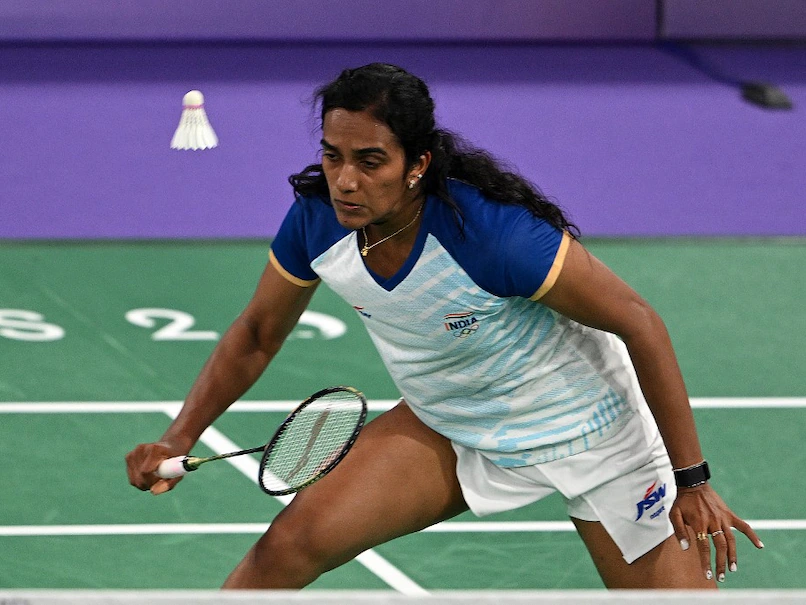
You have just finished a hard fought match, and your next competition is coming up soon. But instead of preparing for what lies ahead, your mind keeps returning to a missed point, a poor decision or the fear of making the same mistake again.
Even after a win, you might feel the pressure to prove that it was not a one time success. For athletes competing in tournaments, learning how to focus during back to back competitions is not just about staying attentive during a match.
It is about knowing how to move forward from one performance without letting the previous result affect the next. Dr Swaroop Savanur, Founder and Director of MyMentalCoach, brings a mental conditioning and peak performance perspective to this challenge.
With the right mental training, athletes can learn to recognise distractions, direct their attention towards what they can control and prepare themselves to compete again, one match at a time.
Your Last Match Is Over, But Is Your Mind Ready for the Next One?
A close match can stay in your mind long after it is over. You may have won, but instead of feeling ready for your next match, you keep thinking about the points you almost lost and the mistakes you need to avoid.
If you have lost, you may find yourself questioning your ability, wondering what went wrong or worrying about how you will perform in the next game. Meanwhile, the tournament continues, and you are expected to compete again.
For athletes participating in back to back competitions, this shift can be more difficult than it appears. Your body may be preparing for the next match, but your mind may still be occupied with the previous one.
This is where learning to focus during back to back competitions becomes important. The goal is not to forget your previous performance or pretend that a disappointing result does not matter. It is to recognise what you can learn from it without allowing those thoughts to interfere with your next opportunity.
Every match brings a new opponent, a new situation and a fresh chance to perform. When you learn to direct your attention towards what you can control in the present, you give yourself a better opportunity to compete with clarity and confidence.
Developing this ability to focus is an important part of mental training, helping you approach each competition on its own terms rather than letting the previous result decide how you perform next.
Why Do Athletes Struggle to Focus Between Competitions?
Maintaining focus during back to back competitions can be challenging because athletes often carry more than physical fatigue from one match to the next. After a good performance, you may start expecting yourself to play just as well again, worrying that one mistake could ruin your winning streak.
After a disappointing match, you may keep replaying a missed opportunity or questioning a decision you made, even when you know you need to move on. As the tournament progresses, thoughts about rankings, qualification or the possibility of losing can also take your attention away from the game in front of you.
The difficulty is not that these thoughts arise, but that they can occupy your mind when you need to make clear decisions and respond to what is happening during the next competition. Improving your focus does not mean ignoring your previous performance or refusing to learn from mistakes.
It means recognising what that performance has taught you, identifying what you can do differently if needed, and then giving your attention to the next task. Your previous match can inform your preparation, but it should not determine how you approach the next one.
3 Ways to Improve Focus During Back-to-Back Competitions
1: Stop Carrying Your Previous Performance Into Your Next Match
One of the biggest challenges in back to back competitions is learning to move on from a match without carrying its emotions into the next one. After a win, you might feel pleased with your performance but become so focused on repeating that success that you start putting pressure on yourself.
After a loss, you may keep thinking about the mistake that cost you a point or the opportunity you failed to take. In both situations, your attention remains tied to something that has already happened, while your next competition requires you to respond to a completely new situation. Instead of trying to forget the previous match, take a moment to review it objectively.
Ask yourself what went well, what you could improve and what deserves your attention in the next match. Once you have identified these points, allow yourself to move forward rather than repeatedly analysing the same moments.
This is an important part of developing focus because mental consistency does not mean winning every match or feeling confident all the time. It means learning from each performance without allowing it to dictate your next one.
When you practise this skill, you give yourself a better chance to approach the next competition with a clearer mind and concentrate on what you need to do in the present.
2: Replace the Pressure to Win With a Clear Performance Focus
When you have several competitions ahead of you, it is easy to become preoccupied with the result you need rather than the performance you need to deliver.
You may start calculating how many matches you must win, thinking about a potential opponent or worrying about what a loss could mean for your tournament. Although these thoughts are understandable, they do not help you make the next decision on the court or field.
The final result depends on several factors, including your opponent’s performance, but you can direct your attention towards how you respond to each situation. This is where focus becomes a practical mental skill.
Before your next match, identify one specific aspect of your performance that you want to pay attention to, such as your shot selection, movement or decision making. Ask yourself, “What do I need to concentrate on to give myself the best chance of performing well in this match?”
Keep your answer connected to an action you can control, rather than a result you hope to achieve. Whenever you notice your thoughts drifting towards winning, losing or what might happen later in the tournament, bring your attention back to that action.
The aim is not to stop caring about the result, but to understand that your best opportunity to influence it lies in how you perform, one decision at a time.
3: Build a Mental Preparation Routine Between Matches
When matches are scheduled close together, you may have very little time to settle down, review your performance and prepare for what comes next. You might find yourself discussing the previous match with your teammates, checking tournament results or thinking about the opponent you are about to face.
Before you realise it, your next match is approaching, but your attention is still divided. Having a consistent mental preparation routine can help you manage this transition instead of leaving it to chance.
After each match, identify the one lesson worth carrying forward and avoid repeatedly revisiting situations you can no longer change.
Give yourself a moment to settle, use a few comfortable breaths if that helps you feel composed, and remind yourself of the performance cue you want to focus on in your next competition.
Then follow your usual warm up and recovery plan, depending on the time available and your coach’s guidance. The routine does not need to be long or complicated. What matters is practising it regularly during training and competitions so that you know how to prepare your mind when the schedule becomes demanding.
Developing focus is not only about concentrating once the match begins. It is also about learning how to direct your attention before you step onto the court or field. When mental preparation becomes a consistent part of your sporting routine, you have a clearer process to return to, regardless of how your previous match went.

Train for the Next Performance, Not the Previous Result
If you want to understand how mental training can help you develop a stronger, more consistent mindset in sport, watch Dr Swaroop Savanur’s Mindset Makeover Challenge Program and explore how developing your mind can support your performance on the field.
Back to back competitions test more than your physical stamina and technical ability. They also test how well you can manage your attention when one match ends and another begins. You may not always feel confident after a loss or equally motivated after a demanding win, but you can learn to approach each new competition with a clearer sense of what needs your attention.
Start by recognising what you can learn from your previous performance, then shift your attention towards a specific action you can control in the next match. Give yourself enough time, whenever the schedule allows, to prepare mentally rather than carrying the previous match straight into the next one.
These skills become more useful when you practise them during regular training, not just when an important tournament is approaching. For example, after a practice match, make a conscious effort to review your performance, identify one area to improve and prepare for the next activity without repeatedly revisiting the previous result.
Over a period of time, this helps you understand your own patterns of distraction and develop a more consistent way to regain focus when your attention begins to drift.
The aim is not to guarantee that you will perform perfectly in every competition, but to develop the ability to respond to each new challenge without allowing the previous result to decide your next move.
Ultimately, improving focus during back to back competitions means learning to give each performance the attention it deserves, one match at a time.
How MyMentalCoach Can Help You Improve Focus in Sports
Back to back competitions challenge athletes to manage not just their physical energy, but also their thoughts, emotions and attention.
A difficult loss, an unexpected win or the pressure of an upcoming match can easily distract you from what matters in the present. Learning to close the previous match, identify a clear performance focus and follow a consistent mental preparation routine can help you approach each competition with greater clarity.
Remember, the goal is not to stop every distracting thought or guarantee a perfect performance. It is to recognise when your attention has drifted and learn to bring it back to the task in front of you.
The more you practise these skills during training, the better prepared you can be to maintain focus during back to back competitions.
At MyMentalCoach, founded by Dr Swaroop Savanur, Founder and Director, mental training helps athletes develop the skills they need to perform more consistently, make better decisions and manage their thoughts during competition.
Through structured mental conditioning and peak performance training, athletes can work on focus, confidence, consistency and other mental skills relevant to their sport.
If you want to understand how mental training can support your sporting performance, book a Free 15-minute Call with MyMentalCoach. Call or WhatsApp +91 98237 91323