
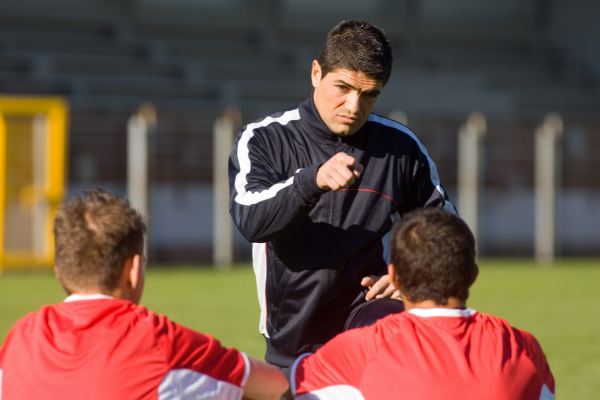
The silence after a loss is something every coach recognises—the quick huddle, a few surface-level words, and then an urge to move on before emotions get too real.
In those moments, coaching after a loss can feel unexpectedly difficult; your own emotions might be high or low, and at times, you simply don’t know what the right thing to say is.
We understand this at MyMentalCoach—because avoidance in these situations isn’t intentional, it’s often a natural response when you’re unsure how to handle what athletes might be feeling.
But these are also the moments that shape trust, confidence, and long-term growth. In this blog, we’ll help you navigate these conversations with more clarity and confidence, so you don’t have to step away from them when they matter most.
Coaching After a Loss: Why Avoidance Feels Like the Easier Option
Right after a loss, most coaches aren’t thinking, “I’m going to avoid this conversation.” It’s much subtler than that. There’s a pause… a hesitation… a quick shift toward logistics—cool-downs, next fixtures, packing up.
Because stepping into emotions feels unpredictable. Tactics are familiar territory; emotions aren’t. And when you care deeply about your athletes, the risk of saying the wrong thing feels heavier than saying nothing at all.
There’s also an invisible pressure coaches carry—to be the steady one, the composed one, the person who “has the answer.” In that role, emotions can feel like a disruption rather than something to engage with.
So instead of opening a conversation that might get messy or uncomfortable, it feels safer to move forward quickly, hoping time will settle things. But what often goes unnoticed is this: athletes don’t expect perfect words in that moment—they’re simply looking for presence. And when that presence isn’t there, the silence can feel louder than any mistake.
At its core, avoidance in these moments isn’t about a lack of care—it’s often a sign of how much the coach cares, but doesn’t feel equipped.
Most coaches were never really shown how to handle emotional conversations after a loss. So they rely on what they do know: structure, routine, moving on.
The shift begins when coaches realize they don’t need to have the perfect response—they just need the willingness to stay in the moment a little longer. Because sometimes, the most impactful coaching after a loss isn’t in what you say, but in not stepping away too soon.

What Avoiding Conversations Actually Does to Athletes
When a coach doesn’t address the moment after a loss, athletes don’t just “move on”—they start filling in the gaps themselves.
And those interpretations are rarely neutral. Some begin to wonder if their performance isn’t worth discussing, others assume they’ve disappointed the coach beyond repair, and a few may simply stop expecting support in difficult moments. It’s not the loss alone that shapes their experience—it’s the meaning they attach to what follows.
Unspoken emotions don’t disappear; they tend to go inward. An athlete who doesn’t get space to process frustration, guilt, or confusion often carries it into the next training session in quieter ways—hesitation in decision-making, overthinking simple actions, or even a drop in intensity that looks like lack of effort but is actually mental clutter.
Over time, this creates a pattern where performance isn’t just influenced by skill or preparation, but by a buildup of unprocessed moments.
There’s also a relational cost that builds gradually. Trust between a coach and athlete isn’t only formed during wins or structured feedback—it’s built in how difficult moments are handled.
When those moments are consistently bypassed, athletes learn to keep things to themselves, and the environment slowly shifts from open to guarded. Conversations become more surface-level, and the team may function, but without the depth that drives real growth.
In that sense, silence doesn’t just leave emotions unresolved—it quietly reshapes the culture of the team.
3 Ways to Approach Difficult Conversations (Individual vs Team)
With Individuals
1. Start with one specific moment, not the whole performance
Instead of reviewing everything, anchor the conversation in one clear moment the athlete experienced. This makes it easier for them to open up without feeling overwhelmed or judged. It also shows that you’re paying attention to their reality, not just outcomes. Depth over breadth creates more honest conversations.
2. Ask experience-based questions, not “why” questions
Shift from “Why did that happen?” to “What was going through your mind in that moment?” This reduces defensiveness and invites reflection instead of justification. Athletes often don’t have answers ready—but they do have experiences they can describe. That’s where real insight begins.
3. Close with one controllable action for the next session
End the conversation with a simple, actionable focus the athlete can carry forward. Not a big correction—just one thing they can try immediately. This prevents the discussion from feeling heavy or unresolved. It gives direction without overloading them.
With Teams
1. Set a clear boundary: this is not a review session
At the start, explicitly state that this conversation is not about analysis or criticism. This helps the team lower their guard and engage without fear of being singled out. It separates emotional processing from performance breakdown. That clarity changes how players show up in the discussion.
2. Use shared prompts instead of open chaos
Give the team 1–2 specific prompts like “One thing we felt collectively today” or “One moment that defined our energy.” This keeps the conversation structured without forcing anyone to speak. It also prevents dominant voices from taking over. The focus stays on shared experience, not scattered opinions.
3. End with a reset cue, not a motivational speech
Avoid long speeches about bouncing back. Instead, create a short, repeatable reset cue—something the team can carry into the next session (a word, a phrase, or a simple action). This gives them a sense of closure and forward movement. It’s subtle, but far more effective than forced motivation.
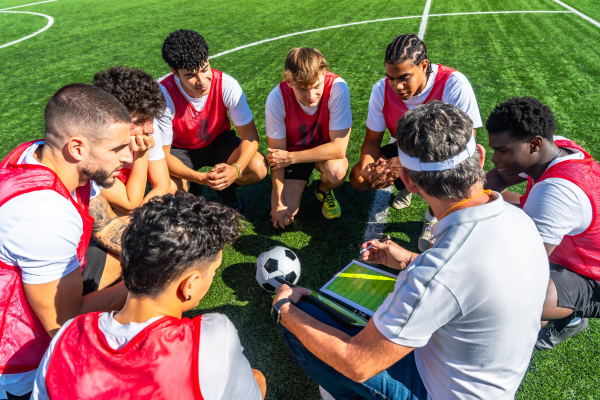
Coaching After a Loss: How MyMentalCoach Helps Coaches Get This Right
Most coaches are expected to handle emotional moments without ever being shown how—and that’s exactly where structured mental training makes a difference. At MyMentalCoach, we don’t just focus on performance; we equip coaches with the confidence and clarity to handle conversations that actually shape an athlete’s mindset after a loss.
We work closely with coaches to improve communication, support athletes in processing setbacks constructively, and help teams build environments where emotions don’t get ignored—but used for growth.
Through our workshops for coaches and sports parents, along with practical, easy-to-apply tools, we make sure these skills aren’t just understood, but implemented on the ground. If you want to get better at coaching after a loss—not just tactically, but emotionally—this is where the real difference is made. Call us at +91 98237 91323 to know more.