

Coaches often struggle the most when athletes lose motivation — not because the athlete suddenly becomes lazy, but because the real problem is usually much deeper than what is visible in training sessions or competitions.
An athlete who once looked driven and disciplined may slowly become emotionally disconnected, frustrated, inconsistent, or mentally exhausted, leaving coaches confused about what changed and how to respond.
In many cases, the pressure to perform, fear of failure, constant expectations, or repeated setbacks silently affect the athlete long before their effort levels start dropping.
This is where understanding why athletes lose motivation becomes extremely important. The right coaching response during these phases can either help athletes reconnect with confidence and purpose — or unintentionally push them further away from the sport.
At MyMentalCoach, we’ve seen that sustainable motivation is not built through pressure alone, but through the right balance of communication, emotional support, mental training, and performance guidance.
In this blog, we’ll explore what coaches often miss during these difficult phases, the common mistakes that can worsen motivation struggles, and practical ways coaches can help athletes regain consistency, belief, and enjoyment in sport again.
Why Athletes Don’t Suddenly “Lose Motivation”
Most athletes don’t wake up one day and suddenly stop caring about their sport. What coaches often see as “lack of motivation” is usually the final visible sign of something that has been building quietly for weeks or even months.
Sometimes it starts with constant pressure to perform. Sometimes it’s fear of making mistakes, repeated criticism, comparison with teammates, overthinking selection, burnout from too many competitions, or simply feeling like their effort is never enough.
The athlete may still show up to practice every day, but internally, the emotional connection with the sport slowly becomes weaker. They begin protecting themselves emotionally before anyone notices it physically.
A lot of athletes also become very good at hiding this phase. They may still train, nod during coaching, and say “I’m fine,” while mentally feeling exhausted, disconnected, or stuck.
What looks like laziness from the outside is often a nervous system that has been under pressure for too long without recovery, confidence, or emotional support.
In many cases, athletes are not losing motivation for the sport itself — they are losing the feeling that they can succeed, enjoy, or breathe freely within it anymore.
That distinction matters because when coaches understand the real reason behind the behavior, their response changes from frustration to guidance — and that is often the first step toward helping the athlete reconnect with the game again.
3 Common Mistakes Coaches Make During Tough Phases
Here are three common coaching mistakes that can quietly push athletes further away during difficult phases — even when the intention is to help them improve.
1. Turning Every Conversation Into a Performance Review
During difficult phases, many athletes already know they are underperforming. When every interaction becomes about mistakes, effort, stats, or results, the athlete slowly stops feeling seen as a person and starts feeling “evaluated” all the time. Over time, this creates emotional distance. Instead of becoming more open with the coach, the athlete becomes quieter, more guarded, and mentally withdrawn during training.
2. Using Comparison as “Motivation”
Statements like “Look how disciplined your teammate is” or “Others are handling this better” may seem harmless in the moment, but comparison often creates shame more than inspiration. Athletes in tough phases usually need clarity and reassurance, not reminders that someone else is doing better. Constant comparison can make them feel replaceable, which reduces trust and increases anxiety around performance.
3. Correcting Constantly Without Acknowledging Progress
Some coaches become so focused on fixing problems that they unintentionally stop noticing improvement. When an athlete only hears what still needs work, they begin feeling like nothing they do is enough. This slowly affects confidence, risk-taking, and even enjoyment of the sport. Athletes improve faster when correction is balanced with recognition, because confidence is not built only through instruction — it is also built through feeling capable.
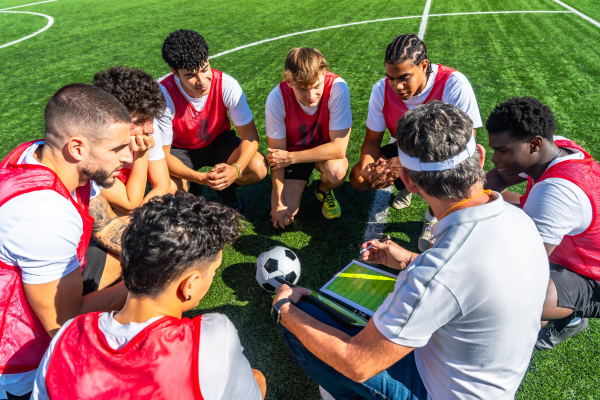
3 Ways in Which Great Coaches Can Renew Motivation Without Forcing It
Here are three simple but powerful ways great coaches help athletes reconnect with motivation naturally — without adding more pressure or forcing positivity.
1. Focus on Small Wins Before Big Results
Great coaches understand that athletes in tough phases do not need huge motivational speeches — they need moments that make them feel capable again. Instead of only focusing on winning, they help athletes notice smaller improvements like better body language, stronger effort in practice, improved recovery after mistakes, or one good decision during a match. Small wins rebuild belief, and belief is often what motivation grows from.
2. Ask More Questions Instead of Giving Constant Instructions
Athletes feel more connected and responsible when they are included in the process. Simple questions like “What felt better today?”, “What’s been mentally draining lately?”, or “What do you think would help right now?” create trust and self-awareness. Great coaches do not just tell athletes what to do — they help athletes understand themselves better. That emotional involvement often brings back ownership and discipline naturally.
3. Bring Back Enjoyment Alongside Structure
During stressful periods, sports can start feeling like a cycle of pressure, correction, and expectation. Great coaches intentionally create moments where athletes can breathe, compete freely, laugh, or simply enjoy training again. This does not mean reducing discipline — it means balancing intensity with emotional recovery. Athletes are far more likely to stay consistent when they still feel emotionally connected to the sport, not just responsible for performing in it.
How MyMentalCoach Helps Athletes & Coaches Build Sustainable Motivation
Many motivation struggles in athletes are not actually about laziness, attitude, or lack of discipline. In our experience at MyMentalCoach, they are often connected to deeper performance factors like pressure, fear of failure, confidence drops, burnout, overthinking, emotional exhaustion, or struggling to handle expectations consistently.
This is why simply “motivating” athletes temporarily is usually not enough. Sustainable motivation comes when athletes learn how to manage their mind during both success and difficult phases.
At MyMentalCoach, we help athletes and coaches build that foundation through structured mental training, performance psychology techniques, and practical systems that can be applied directly in training and competition.
Our work focuses on helping athletes improve consistency, emotional recovery, focus under pressure, self-belief, and resilience — while also helping coaches communicate and support athletes more effectively during challenging periods.
Whether an athlete is going through a confidence drop, burnout, frustration with performance, or simply feeling mentally stuck, the goal is not just to “push harder,” but to understand what is happening beneath the surface and rebuild the right mindset gradually and sustainably.
To understand how this can help your athletes or coaching environment, you can book a free 15-minute guidance call with the team at MyMentalCoach at +91 98237 91323.

