

It’s completely natural for athletes to feel disheartened after a loss—especially when they’ve trained well and expected a better result.
As a coach, it can sometimes feel like there’s not much you can do in that moment. But the truth is, this is when your role matters the most.
The way you guide an athlete after a bad game shapes how they handle setbacks for the rest of their career.
Learning how to rebuild athlete confidence after a loss isn’t just about one match—it’s about helping them bounce back again and again.
At MyMentalCoach, we focus on this exact mental side of performance, helping athletes develop the ability to recover, stay steady, and keep moving toward their peak, no matter what the scoreboard says.
In this blog, we’ll break down simple, practical ways you can support your athletes right after a loss—what to say, what to focus on, and how to guide their mindset in the right direction.
These are small shifts, but they make a big difference in how quickly an athlete regains confidence.
This is important because setbacks are not occasional—they are a regular part of every athlete’s journey.
The better they learn to handle losses, the more consistent and resilient they become.
And as a coach, your role in that process can shape not just their performance, but their long-term growth in sport.
Why Confidence Drops After a Loss (And What Coaches Can Do About It)
After a loss, an athlete’s confidence doesn’t drop just because they didn’t win—it drops because their brain starts attaching meaning to the loss. Instead of seeing it as “we lost today,” many athletes quietly shift to “maybe I’m not good enough,” or “I always mess up under pressure.”
This shift happens very quickly, especially in younger athletes or those who already have self-doubt. What most coaches miss is that confidence is not built only through success—it’s built through how athletes interpret both success and failure.
If that interpretation goes unchecked after a loss, even one bad game can start affecting how the athlete shows up in training the next day.
This is exactly where how to rebuild athlete confidence after a loss begins—not in the next practice, but in the first few minutes after the game.
Many coaches focus on correcting mistakes or analyzing performance immediately, but the athlete at that moment is not processing tactics—they are processing emotion.
If a coach jumps straight into feedback without stabilizing the athlete emotionally, the brain links correction with failure, not growth. Over time, this creates hesitation, fear of making mistakes, and a visible drop in confidence.
The coaches who understand this don’t ignore mistakes—they simply manage when and how they address them, so the athlete leaves the loss feeling capable, not defeated.

3 Easy Ways to Rebuild Athlete Confidence After a Loss
1. Point Out One Thing They Did Well
After a loss, athletes usually only think about what went wrong. As a coach, help them see at least one thing they did right. Keep it simple and specific: “Your effort didn’t drop,” or “You stayed calm even when things weren’t going well.” This helps them understand that the whole performance wasn’t bad. That’s an important first step in how to rebuild athlete confidence after a loss—showing them they still have something to build on.
2. Give Them One Small Focus for Next Time
Don’t overload them with too many corrections. Just give them one simple thing to work on in the next practice. For example: “Next session, we’ll focus on your passing,” or “Let’s work on how you react after mistakes.” This gives them clarity. When athletes know what to do next, they feel more in control and less stuck thinking about the loss.
3. Let Them Know It’s Okay to Feel Low—But Not Stay There
After losing, it’s normal for confidence to drop. Say it openly: “It’s okay to feel like this after a loss.” This makes them feel understood. But don’t stop there—add: “Now we focus on what’s next.” This helps them move forward instead of staying stuck. That balance is key in how to rebuild athlete confidence after a loss.
What to Say (and What to Avoid) After a Loss
After a loss, the words a coach uses can either build clarity or create more doubt. One simple shift is to focus your language on learning instead of judging. For example, instead of saying “That wasn’t good enough,” you can say “This shows us exactly what we need to work on next.”
Another helpful approach is to ask short, guiding questions like “What felt off today?” or “What would you do differently next time?” This gets the athlete thinking, instead of just feeling bad. The goal is not to give a big speech, but to keep your communication calm, clear, and focused on moving forward.
At the same time, there are a few things coaches should avoid because they quietly damage confidence.
Avoid comparing the athlete to others (“Look at how he played”), and avoid labels like “lazy,” “careless,” or “not serious.”
These stick in the athlete’s mind much longer than the loss itself. Also, avoid overloading them with too much feedback right away—when too many things are said, athletes often remember only the negative parts.
Protecting confidence doesn’t mean ignoring mistakes—it means choosing words that help the athlete improve without making them doubt themselves.
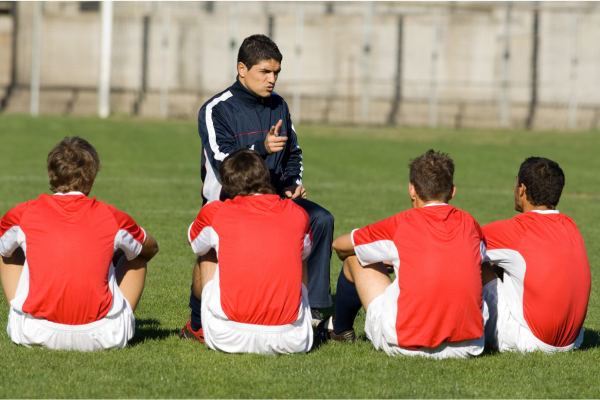
Building Long-Term Confidence: What Great Coaches Do Differently After Defeats
Great coaches don’t treat confidence as something that comes and goes with results—they build it every day, especially after losses. Instead of only focusing on performance, they pay attention to how athletes respond, think, and behave after setbacks.
They consistently reinforce habits like showing up with the right attitude, staying engaged in training, and sticking to routines even when things aren’t going well. Over time, this helps athletes understand that their confidence is not based on one match or one result, but on what they do daily.
This is what separates athletes who stay steady from those who keep going up and down.
At MyMentalCoach, this is exactly what we work on—helping athletes and coaches build strong, stable confidence that doesn’t break after a loss.
Through simple mental training strategies, we guide athletes to handle pressure, bounce back faster, and stay consistent in their mindset.
If you’re a coach looking to support your athletes better in these moments, you can reach out to us for a free 15-minute consultation call at +91 98237 91323. Sometimes, small changes in how you guide your athletes can make a big difference in how they perform and grow over time.

