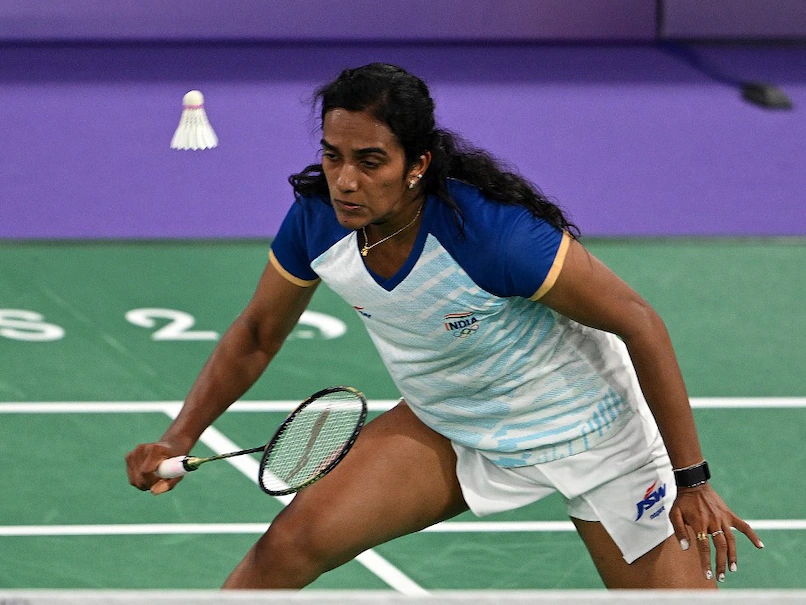

If you’re a sports parent who has ever thought, “My child plays amazingly in practice, but freezes during matches,” you are definitely not alone. So many parents notice this same pattern — strong practice performance, confident skills, and great focus during training, followed by match anxiety, nervousness, and sudden mistakes during competitions. It can be confusing, frustrating, and even worrying to watch your child struggle under performance pressure in youth sports.
The truth is, when a child plays well in practice but not in matches, it’s rarely about talent or effort. Most of the time, it’s about sports performance anxiety, fear of failure in young athletes, and the pressure that comes with being watched, judged, and evaluated. Young athletes often overthink, feel tense, and lose confidence during important games — even when they know the skills perfectly. This practice vs match performance gap is extremely common in children across all sports.
At MyMentalCoach (MMC), we work closely with young athletes and sports parents to help children build confidence, improve focus, and handle competition pressure in a healthy way. In this blog, we’ll help you understand why your child freezes in matches, how sports parenting can influence pressure, and what simple mental training tools can help your child perform with the same confidence in matches as they do in practice.
Why Children Play Better in Practice but Freeze in Matches
Many sports parents wonder why their child plays well in practice but freezes in matches. In training sessions, young athletes usually feel relaxed, confident, and focused. The environment feels safe, mistakes are allowed, and there is less pressure to perform.
But during competitions, the situation changes. Match pressure, expectations, and the fear of being judged can trigger sports performance anxiety in children.
When a child becomes nervous during matches, their body tightens, their mind starts overthinking, and even simple skills begin to feel difficult. This is why practice vs match performance often looks very different in young athletes.
In matches, children are not just playing the sport — they are also thinking about results, scores, parents watching, coaches’ reactions, and fear of making mistakes.
This creates competition anxiety and fear of failure in young athletes. Instead of trusting their training, the brain goes into “alert mode,” which affects focus, decision-making, and confidence.
Many children experience mental blocks during matches, feel rushed, or hesitate to take action. This is not because they lack talent, but because performance pressure in youth sports can overwhelm their developing emotional and mental skills.
It is important for sports parents to understand that freezing in matches is not a discipline or motivation problem.
It is usually a mental and emotional response to pressure. Young athletes are still learning how to handle stress, manage nerves, and stay calm in competitive situations.
With the right support, mindset training, and positive sports parenting, children can learn to stay confident, focused, and composed during matches — just like they are in practice.

Sports Performance Anxiety and Fear of Failure in Young Athletes
Sports performance anxiety is very common in young athletes, especially as competition levels increase. Before a match, many children start feeling nervous, restless, or unusually quiet.
Their heart beats faster, their muscles feel tight, and their thoughts become negative. This match anxiety in kids often comes from the fear of making mistakes, letting the team down, or disappointing parents and coaches.
When children worry too much about outcomes instead of enjoying the game, their confidence drops and their natural performance is affected.
Fear of failure in young athletes can slowly build over time. If a child feels judged for mistakes or only praised for winning, they may start linking their self-worth to results.
This creates pressure to perform perfectly in every match. As a result, children begin to overthink their actions, hesitate during important moments, and avoid taking risks.
This mental pressure can lead to performance anxiety in youth sports, where the child knows what to do but struggles to execute under stress.
The good news is that sports anxiety in kids is not permanent. With the right mindset training, emotional support, and positive communication, young athletes can learn how to manage nerves and stay calm during competitions.
When children feel supported rather than judged, their confidence grows. They start focusing on effort, learning, and enjoyment instead of just winning. This helps reduce fear of failure and allows them to perform closer to their true potential in matches.
How Sports Parents Unintentionally Increase Match Pressure
Most sports parents want the best for their child. They invest time, money, and energy into training, travel, and competitions.
But sometimes, without realizing it, parents can increase match pressure on young athletes. Comments like “Play well today,” “This match is important,” or “Don’t make silly mistakes” may seem motivating, but they can add extra stress.
When children feel constant performance expectations, they start worrying more about results than enjoying the game. This can increase sports performance anxiety and reduce confidence during matches.
Body language also plays a big role. A tense face, nervous pacing, or visible disappointment after mistakes can make children feel judged.
Many young athletes are highly sensitive to their parents’ reactions. If a child senses frustration or pressure from the sidelines, it can increase fear of failure and make them more anxious during competition. Over time, this pressure can lead to overthinking, hesitation, and even loss of interest in the sport.
Another common issue is post-match conversations. Focusing only on scores, mistakes, or what went wrong can make children feel that their value depends on performance.
This creates emotional pressure in youth sports. Instead, when parents highlight effort, learning, and enjoyment, children feel safer and more confident.
Supportive sports parenting helps young athletes stay calm, focused, and mentally strong in matches — allowing their true skills to show.

Mental Training to Build Confidence and Focus in Young Athletes
Just like physical skills, mental skills also need regular training. Many young athletes are taught how to run faster, hit harder, or improve technique, but very few are taught how to manage pressure, stay calm, and focus during matches.
Mental training for young athletes helps them develop confidence, emotional control, and concentration in competitive situations.
Simple techniques like breathing exercises, positive self-talk, and visualization can help children feel more relaxed and prepared before a match.
Building confidence in young athletes starts with helping them trust their abilities, even when mistakes happen. When children learn to see errors as part of learning instead of failure, their fear of failure reduces.
Mental training teaches them how to reset after a mistake, stay present in the game, and avoid overthinking. This improves focus in sports and helps children perform more naturally, just like they do in practice.
Focus and concentration in sports improve when young athletes learn how to block out distractions such as crowd noise, pressure, or negative thoughts.
With the right mental exercises, children can stay connected to the game instead of worrying about results. Over time, this leads to stronger mental toughness, better decision-making, and a more enjoyable sports experience.
When confidence and focus grow, match performance begins to match practice performance.
Conclusion
When a child plays well in practice but struggles in matches, it is not a sign of low talent or lack of effort. It is usually a sign that the mind needs as much training as the body. Match pressure, fear of failure, and performance anxiety are common in young athletes, especially in today’s competitive sports environment. With the right support from parents, a positive mindset, and simple mental training techniques, children can learn to stay calm, confident, and focused during matches. When the pressure reduces, their true potential starts to show.
At MyMentalCoach (MMC), we work closely with young athletes and sports parents to build strong mental skills such as confidence, focus, emotional control, and match-day readiness. Our goal is to support children not just in winning, but in enjoying their sport, handling pressure better, and growing as balanced individuals.
If you are a sports parent looking for guidance, tips, and expert resources, we invite you to join our free Sports Parents WhatsApp Group. Here, we regularly share blogs, practical tips, and helpful tools to support you and your child on this journey.
👉 Click here to join the group:
https://chat.whatsapp.com/LUusM6DEvzLHigUptXZ3F0
You’re not alone in this — and with the right support, your child can learn to perform with confidence, both in practice and in matches.