
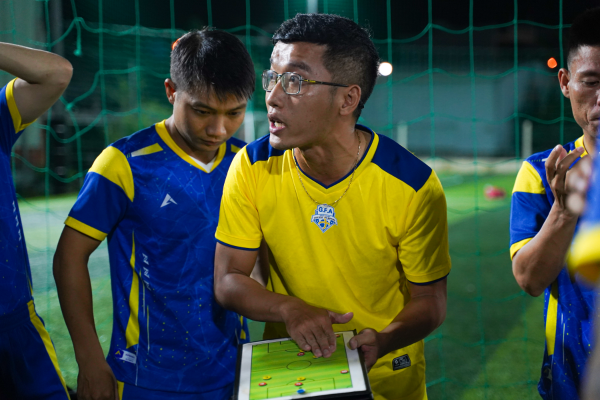
A coach can win obedience in a moment. But can they build responsibility that lasts beyond the training ground? That’s where the real difference between discipline and fear begins.
An athlete who only follows instructions to avoid criticism may look disciplined from the outside, but true discipline shows up when they have to make decisions, handle mistakes and hold themselves accountable on their own.
As sports psychologists, we’ve seen how this difference can shape an athlete far beyond one training session. At MyMentalCoach, we believe discipline without fear is about building athletes who respect the standard enough to carry it themselves—not because they are afraid of what happens when they don’t.
Do Athletes Listen Because They Respect You—or Because They Fear You
An athlete says “Yes, Coach” every time. They follow instructions, rarely question anything and immediately change their behaviour when the coach raises their voice. On the surface, this may look like excellent discipline.
But watch a little more closely. Does the athlete still make responsible decisions when the coach isn’t watching? Are they comfortable admitting a mistake, asking for help or trying something different when the situation demands it?
There is an important difference between following instructions because you understand and respect the standard and following them because you are afraid of the reaction that might come next. Fear can make an athlete comply quickly, but compliance alone isn’t the same as discipline.
True discipline develops when athletes gradually learn to regulate themselves, take responsibility and maintain their standards even when nobody is standing beside them.
That is why discipline without fear doesn’t mean allowing athletes to ignore expectations or removing consequences when standards aren’t met. It means creating an environment where an athlete understands why the standard matters and learns to meet it because they take ownership of their development.
After years of working with athletes and coaches, one of the most important performance lessons is simple: the goal isn’t to make athletes afraid of getting it wrong. It is to help them care enough to get it right.
Why Fear Can Look Like Discipline in Sports
Fear can sometimes appear to “work” because the athlete becomes quieter, follows instructions immediately and avoids doing anything that might attract criticism. From the outside, that can look like discipline.
But look underneath the behaviour and the motivation may be very different. An athlete who is afraid of making a mistake may stop taking appropriate risks, hide when something is going wrong or wait for the coach to tell them exactly what to do.
They may follow every instruction when the coach is present but struggle to make decisions independently when they are on their own.
This is the difference between external motivation and internal responsibility. The athlete is responding to the consequence of the coach’s reaction rather than developing their own understanding of the standard.
This is why discipline without fear is so important in athlete development. Fear can create quick compliance, but it doesn’t necessarily teach an athlete how to manage themselves.
Real discipline develops when a player understands what is expected, accepts responsibility for their actions and continues to maintain those standards even when the coach isn’t watching.
A young cricketer who works on their preparation because they know it matters to their performance is developing discipline; an athlete who does it only because they are worried about being shouted at is responding to pressure. Fear can control behaviour for a moment. Ownership is what builds discipline for the long term.
5 Ways Coaches Can Build Discipline Without Fear
1. Make Expectations Clear Before Correcting Behaviour
Discipline becomes much easier when an athlete knows exactly what the coach expects from them. Instead of waiting for a player to arrive late, show poor effort or forget their responsibilities and then react strongly, set the standard before the problem occurs.
Be clear about punctuality, training effort, attitude, respect for teammates, preparation and what happens when an agreed standard isn’t met. This is an important part of discipline without fear because athletes are less likely to experience correction as personal criticism when they already understand the expectation.
We encourage coaches to make the standard clear, explain why it matters and then hold athletes consistently accountable to it. The message becomes, “This is the standard we agreed on, and you’re responsible for meeting it,” rather than, “I’m angry because you didn’t do what I wanted.” Clear expectations create accountability; unclear expectations create unnecessary conflict.
2. Correct the Behaviour Without Attacking the Athlete
When an athlete makes a poor decision, shows the wrong attitude or misses a responsibility, it needs to be addressed—but correction doesn’t have to become a personal attack. There is a big difference between telling an athlete “You’re careless” and saying, “That decision wasn’t acceptable. Let’s understand what happened and what needs to change.”
The first can make the athlete feel that something is wrong with who they are, while the second keeps the conversation focused on behaviour that can be improved. This matters for confidence, emotional regulation and coach-athlete trust, because athletes learn better when they can look at a mistake without feeling they have to defend themselves.
Discipline without fear means maintaining the standard while still giving the athlete enough psychological safety to admit mistakes, understand them and improve. Correct the behaviour; don’t make the athlete feel like the problem.
3. Give Athletes Responsibility, Not Just Instructions
If a coach is constantly telling an athlete what to do, when to do it and how to fix every problem, the athlete may become good at following instructions but not necessarily good at managing themselves.
A big part of discipline without fear is gradually transferring responsibility to the athlete—letting them take ownership of their preparation, equipment, routines, recovery, personal goals and reflection after training.
Instead of always giving the answer, ask questions like, “What could you have done differently?” or “What will you do before the next session?” This encourages the athlete to think, make decisions and recognise the consequences of their choices.
Over time, the coach’s role shifts from constantly monitoring behaviour to developing an athlete who can maintain standards even when the coach isn’t around. Discipline becomes stronger when athletes learn to hold themselves accountable.
4. Make Mistakes Safe Enough to Learn From
A coach’s response after a mistake can shape what an athlete does the next time they face a similar situation. If every error is met with anger or embarrassment, athletes may start playing with the coach’s reaction in the back of their mind rather than trusting their training.
Instead, use mistakes as a point for reflection: What did you see? What were you trying to do? What would you choose next time? This creates a training environment where athletes are still held to a high standard, but they are encouraged to understand their decisions rather than simply fear getting them wrong.
In our approach to discipline without fear, accountability means the athlete owns the mistake and takes responsibility for improving it, while the coach helps them understand what comes next. A mistake should become a learning point, not a reason for an athlete to become afraid of making the next decision.
5. Be Consistent—Especially When You’re Under Pressure
Athletes quickly notice when the standard changes depending on the score, the opponent, the importance of the match or even the coach’s mood.
If one player is strongly corrected for a behaviour while another is allowed to get away with the same thing, the issue stops feeling like discipline and starts feeling personal. Consistency doesn’t mean treating every situation identically; it means having clear standards and applying them fairly, while staying composed enough to respond rather than react.
This is where the coach’s own emotional regulation becomes part of discipline without fear. Athletes are watching how you handle pressure, mistakes and frustration just as closely as they are listening to what you say.
When your expectations remain steady even during a tense match or disappointing result, athletes learn that discipline is a standard they can rely on—not something that changes with someone’s mood. Athletes learn discipline not only from what coaches demand, but from how consistently coaches demonstrate it themselves.
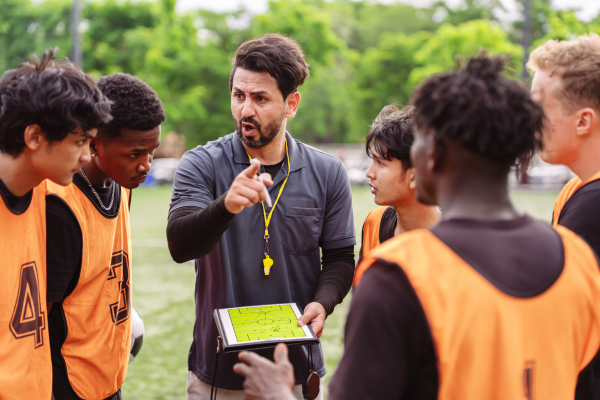
What Does Discipline Without Fear Actually Look Like?
Discipline without fear does not mean becoming a soft coach, lowering standards or allowing athletes to do whatever they want. The standards can remain demanding; what changes is the reason athletes meet them.
In a healthy environment, an athlete can admit a mistake instead of hiding it, understand the consequence instead of simply trying to avoid punishment, and take responsibility even when the coach isn’t watching.
The question gradually moves from “How do I avoid getting into trouble?” to “What is expected of me, and how can I meet that standard?” That shift from compliance to ownership is what makes discipline sustainable, particularly as athletes move into higher levels of competitive sport where coaches cannot control every decision they make.
Coaches should also pay attention to what happens after correction. If athletes become afraid to ask questions, hide mistakes, lose confidence after feedback, become unusually anxious around the coach or only perform well when constantly monitored, the approach may need some reflection.
These signs don’t automatically mean a coach is doing something wrong—competitive sport is demanding, and athletes will naturally experience pressure—but they can tell you that fear may be taking up space that should be used for learning and performance.
A strong coaching environment allows athletes to respect the standard, respect the coach and still feel confident enough to think, communicate and take appropriate responsibility. The aim of discipline without fear is not to remove pressure; it is to make sure pressure develops the athlete instead of controlling them.
Discipline in sport is changing, especially for today’s athletes. It is no longer just about following instructions—it is about developing responsibility, consistency and self-control. For a deeper understanding of how discipline is evolving in modern sports, watch Understanding Discipline in today’s times.
How MyMentalCoach Can Help Coaches Build Mentally Strong Athletes
The real goal of coaching isn’t simply to produce athletes who follow instructions when the coach is standing beside them. It is to develop athletes who can think, regulate their emotions, handle mistakes, stay focused and hold themselves accountable when nobody is watching.
Discipline without fear doesn’t mean reducing standards or avoiding difficult conversations; it means helping athletes understand those standards well enough to take ownership of them. A fearful athlete may ask, “What will happen if I get this wrong?”
A disciplined athlete learns to ask, “What do I need to do well?” That shift is what turns discipline from something imposed by a coach into something carried by the athlete.
At MyMentalCoach, we help coaches strengthen the mental side of athlete development alongside physical and technical training.
Through mental training, coaches and athletes can work on confidence under pressure, emotional regulation, focus, communication, handling mistakes, motivation, accountability and athlete ownership. Our approach is built around developing athletes who can perform and take responsibility without depending on fear to stay disciplined.
If you want to understand how mental training can support your coaching environment, you can book a Free 15-minute call by connecting with MyMentalCoach at +91 91122 20823.

