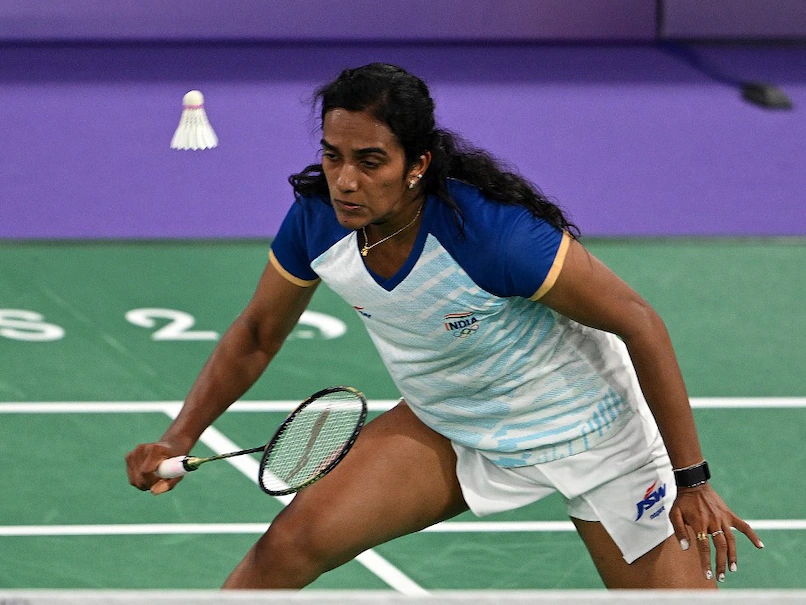

Many parents never intend to create parent pressure on child in sports, yet small expectations, reactions, and everyday moments can quietly shape how a young athlete experiences the game.
What feels like support to a parent can sometimes feel like pressure to a child trying their best to perform.
Read this blog to understand how this silent pressure forms and how you can support your child better — brought to you by MyMentalCoach.
How Are Parents Putting Pressure on Your Child in Sports Without Realising It?
Many parents never intend to put pressure on their child in sports. In fact, most believe they are simply being supportive. You wake up early for practice, adjust family schedules around tournaments, spend weekends travelling to competitions, and proudly tell relatives about your child’s sport.
From your perspective, these actions come from love and commitment. But for a child standing on the field, court, or range, the message can sometimes feel different. When they know how much time, money, and emotional energy you’ve invested, a quiet thought can start forming in their mind: “I can’t afford to mess this up.”
Even if you never say it, your child may start playing not just for themselves, but to make sure they don’t disappoint you.
Sometimes the pressure shows up in the smallest, almost invisible moments. The quick glance you give the scoreboard before meeting their eyes.
The long silence in the car ride home after a tough match. The way you say “You played well, but…” while replaying a missed opportunity. To a parent, these moments may feel harmless or even helpful. But to a young athlete who is already processing their own mistakes, those signals can feel like a quiet evaluation.
Many athletes later say they weren’t afraid of losing the match — they were afraid of facing their parents afterward. That’s the kind of silent pressure that often goes unnoticed, yet shapes how a child experiences sport.
What is Parent Pressure on Child in sports?
Silent pressure from parents in sports is rarely about shouting, criticism, or obvious demands to win. In many families, it appears in much quieter forms — expectations that are never directly spoken but are clearly felt by the child.
A parent may never say “you have to win,” but the child notices how the mood at home changes after a loss, how much excitement surrounds victories, or how conversations about their sport often revolve around results, rankings, or selection.
Over time, the athlete begins to understand what matters most, even if no one has explicitly said it. They start measuring their own worth in the same way — by performance.
What makes silent pressure powerful is that it lives in everyday behaviour that parents often see as normal.
It could be repeatedly discussing upcoming competitions weeks in advance, analysing every performance in detail right after the game, or constantly reminding the child of how much effort the family has put into their sport.
Even well-intentioned encouragement like “This is your big chance” or “The coach is watching today” can slowly turn into a mental weight for the athlete. Instead of simply playing the sport they once enjoyed, the child begins to feel like every match is a test they must pass — not just for themselves, but for the people they care about the most.

Signs Your Child Feels Pressure in Sports
1. Nervous Before Games in a Way That Feels Different
Most athletes feel some butterflies before a competition — that’s normal. But when a child feels pressure, the nervousness often looks different. They may become unusually quiet, avoid talking about the match, complain of stomach aches, or repeatedly ask questions like “What if I don’t play well?” Instead of excitement about competing, their focus shifts to worrying about what might go wrong.
2. Playing Too Safe and Avoiding Risks
When a child starts feeling pressure, you may notice they stop playing the way they normally do. Instead of trying moves they practice every day, they begin choosing the safest option just to avoid mistakes. A tennis player may stop going for aggressive shots, a cricketer may play overly defensive, or a shooter may become extremely hesitant. The goal quietly shifts from performing freely to not doing anything wrong.
3. Looking Toward the Sidelines After Every Moment
Some children develop the habit of quickly glancing toward the stands after a play — especially after a mistake. They may look for a reaction, a signal, or simply to check how their parent responded. This small behaviour often shows that their attention is no longer fully on the game; a part of their mind is busy wondering how their performance is being judged.
The Car Ride Home: Where Most Sports Pressure Happens
For many young athletes, the car ride home after a match becomes one of the most emotionally loaded moments of their sporting experience.
The competition is over, the adrenaline is settling, and they’re still processing everything that just happened — the mistakes, the missed chances, the moments they wish they could replay. But before they’ve even had time to sort through those feelings themselves, the first conversation often begins.
Questions like “Why did you play that shot?”, “What happened in the second set?”, or “The coach must not have liked that mistake.” can quickly turn the ride home into a performance review rather than a moment to decompress.
What many parents don’t realise is that the child is already replaying the match in their own mind.
They already know where they went wrong. When every moment starts getting analysed immediately after the game, the athlete can begin associating the ride home with judgment rather than support.
Over time, some children even start dreading that drive more than the match itself. Instead of feeling relief that the game is over, they feel like the real evaluation is just beginning.
Creating space in this moment — allowing the child to settle emotionally before discussing performance — can make a huge difference in how they experience both sport and parental support.
We’ve also made a detailed video on this specific situation titled “Sports Parents Exclusive I The most DANGEROUS place after a Match I MyMentalCoach by Dr Swaroop” We highly recommend reading it to understand how this small moment can shape a young athlete’s mindset.
One Simple Rule for Being a Great Sports Parent
A simple rule that many experienced coaches quietly share with parents is this: measure your child’s sports journey by their willingness to return to the field tomorrow. Not by the medals they win, the rankings they achieve, or the matches they dominate, but by whether they still wake up wanting to practice, compete, and improve.
When a child consistently wants to go back to training, it usually means the environment around their sport still feels safe, enjoyable, and motivating.
But when a child begins looking for excuses to skip practice, delaying getting ready for matches, or slowly losing enthusiasm for something they once loved, it is often an early signal that the experience around the sport has become heavier than the joy of playing it.
For a parent, protecting that willingness to keep showing up is one of the most important contributions they can make to their child’s long-term relationship with sport.

Your Child Needs a Parent, Not Another Coach
In the world of sport, children are constantly surrounded by people who evaluate their performance — coaches who correct technique, trainers who monitor fitness, selectors who judge results, and competitors who challenge them every time they step onto the field.
In the middle of all this, the one place that should feel different is home. What most young athletes truly need from their parents is not more technical advice or match analysis, but emotional safety — someone who sees them as a child first and an athlete second.
When parents create that space, children feel freer to learn from mistakes, bounce back from difficult performances, and stay connected to the joy that made them start playing the sport in the first place.
At MyMentalCoach, we work closely with athletes and sports families and often see how powerful the role of a parent can be in shaping an athlete’s mindset.
When parents focus on supporting the child rather than managing the performance, the athlete develops stronger confidence, resilience, and long-term motivation.
Sport is a long journey filled with ups and downs, and a calm, understanding parent often becomes the athlete’s greatest advantage.
If you are a sports parent who wants to support your child better, we invite you to explore the Sports Parents Corner by MyMentalCoach. You can also join our free WhatsApp community created specifically for sports parents, where we regularly share practical resources, insights, and guidance to help you support your teen athlete more healthily.
Click here to join: Free WhatsApp Community ‘Sports Parents Corner’
It’s a safe space where sports parents can discuss their concerns, learn from each other’s experiences, and understand how to create the right environment for their child’s growth in sport.