
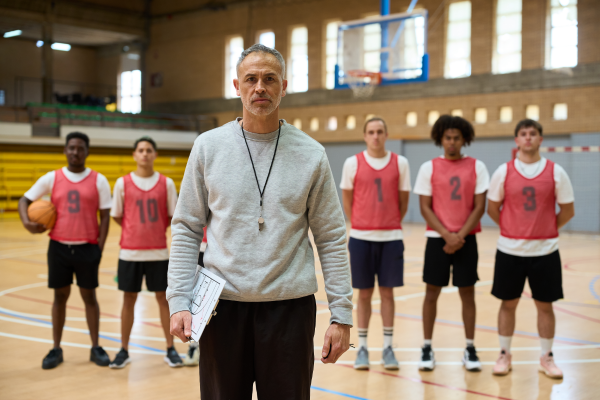
Ever noticed how some athletes open up to you instantly—while others feel almost impossible to reach?
You motivate them. You guide them. You correct them. You genuinely want to support them.
Yet somehow, the message doesn’t land.
Some athletes avoid eye contact.
Some go quiet after mistakes.
Some say “yes, coach” but never share what’s really happening inside.
This isn’t a lack of effort or commitment. In most cases, athletes hold back because they fear judgment, misunderstanding, or being labelled. As a coach, your intention is right—but when coach–athlete communication lacks trust, performance suffers. This is where Coach-Athlete Communication style in coaching, sports psychology, and mental performance quietly decide whether an athlete feels safe to engage or chooses to shut down.
At MyMentalCoach, we see this pattern across sports: the issue is rarely technical. It’s about how communication influences athlete confidence, self-belief, and performance under pressure. This blog explores how a coach’s words, tone, and timing shape an athlete’s mindset—and why effective communication for sports coaches is one of the most powerful tools in high-performance coaching.
Why Is Coach-Athlete Communication One of the Most Underrated Coaching Tools?
Communication is often underrated in coaching because it doesn’t look like “training.” Coaches spend hours planning drills, fitness, and tactics, but the same drill can produce completely different results depending on how it’s communicated. A short sentence, a tone change, or even body language can decide whether an athlete feels confident or confused, motivated or tense. Skills train the body, but communication trains how the athlete uses those skills under pressure.
What makes communication powerful is that athletes don’t just hear instructions—they interpret meaning. When a coach says, “Don’t make mistakes,” the athlete’s brain doesn’t focus on improvement; it focuses on fear of error. On the other hand, “Commit fully to the next action” directs the mind toward clarity and control. Most performance drops don’t happen because athletes lack ability—they happen because the mind gets crowded with unclear or threatening messages.
Over time, a coach’s communication becomes the athlete’s inner voice. The way you correct, encourage, or question them is exactly how they will talk to themselves during competition—especially when things go wrong. That’s why communication is not just a support skill; it’s a performance tool. Every word either sharpens focus or adds noise, and in sport, focus is often the difference between performing well and falling apart.
Watch this video titled, “Best Advice for up and coming coaches- Bill Beswick Sports psychologist” to know more about how you can communicate better with your athletes.
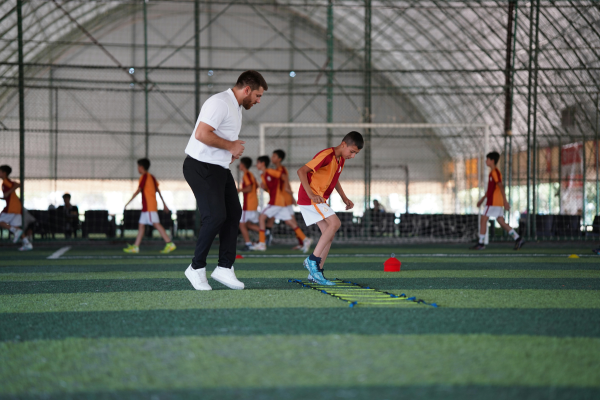
How Do a Coach’s Words Directly Affect Athlete Performance?
A coach’s words directly affect athlete performance because the brain acts before the body does. What you say tells the athlete’s brain what to focus on in that moment. Clear, simple words help the brain organize movement, timing, and decision-making. Unclear, emotional, or overloaded instructions create mental noise. That noise shows up physically—as hesitation, tight muscles, poor timing, or rushed decisions—even when the athlete knows the skill well.
The timing and tone of words matter just as much as the content. A calm, specific cue like “Watch the ball early” helps the athlete stay present and controlled. A rushed or critical comment like “You’re doing it wrong again” pulls attention away from the task and toward self-doubt. In pressure situations, athletes don’t have extra mental space—they rely on the last clear message they received. That message often decides whether they react confidently or freeze.
Over repeated sessions, a coach’s words shape an athlete’s performance patterns. Athletes coached with clear, action-based language tend to play freely and recover quickly from mistakes. Athletes exposed to vague or negative communication start playing “safe,” overthinking, or avoiding responsibility. In simple terms, your words either guide the athlete’s attention to what helps performance—or distract it toward fear and confusion.
What Happens in an Athlete’s Mind When a Coach Communicates?
When a coach communicates, the athlete’s mind first tries to decide if the message is safe or threatening. This happens automatically and very fast. If the tone feels calm and supportive, the brain stays in a learning and performance mode. If the tone feels angry, rushed, or judgmental, the brain shifts into protection mode. In that state, the athlete becomes more alert to mistakes and less open to learning, even if the instruction itself is correct.
Next, the brain looks for clarity. Simple, specific messages help the athlete focus on one clear action. Too many instructions at once confuse the mind, and confusion slows reactions. Instead of trusting the body, the athlete starts thinking consciously about movements that should happen automatically. This is why athletes often say, “I know what to do, but I couldn’t execute it”—their mind was overloaded, not untrained.
Over time, repeated communication shapes how athletes think about themselves. Consistent messages of trust and direction build confidence and mental stability. Repeated criticism or unclear feedback builds self-doubt and hesitation. So every interaction—during drills, mistakes, or competition—is quietly training the athlete’s mindset. You’re not just giving information; you’re teaching the athlete how to think under pressure.
How Does Your Communication Style Influence Confidence and Self-Belief?
An athlete’s confidence is strongly influenced by how a coach speaks to them, especially after mistakes. When communication focuses only on errors, athletes start linking mistakes with danger or disappointment. Their mind shifts from “How do I play?” to “What if I get it wrong again?” On the other hand, when a coach acknowledges effort and gives clear direction for the next action, the athlete feels supported and stays willing to take responsibility.
Communication also shapes where athletes place their trust—in themselves or in constant approval from the coach. If feedback is always controlling or corrective, athletes begin depending on instructions instead of trusting their own judgment. This weakens self-belief. When communication encourages thinking, decision-making, and ownership—“What did you notice there?” or “What’s your next best option?”—athletes start believing in their ability to figure things out under pressure.
Over time, your communication style becomes the lens through which athletes judge themselves. Consistent, calm, and specific messages build a stable sense of confidence that survives bad days and tough competitions. Inconsistent, emotional, or harsh communication creates fragile confidence that disappears after one mistake. Simply put, your words either help athletes trust themselves—or doubt themselves when it matters most.
Why Do Athletes Respond Differently to the Same Feedback?
Athletes respond differently to the same feedback because they don’t hear it the same way, even if the words are identical. Each athlete filters feedback through their personality, past experiences, confidence level, and current emotional state. A confident athlete may hear correction as guidance, while a doubtful athlete may hear the same message as proof that they’re failing. So the impact of feedback depends less on what is said and more on how it is received.
Another reason is where the athlete’s attention is at that moment. If an athlete is calm and focused, feedback helps refine performance. If they are anxious, tired, or already self-critical, the same feedback adds pressure instead of clarity. This is why some athletes improve immediately after correction, while others tighten up or shut down. The feedback didn’t change—the athlete’s mental state did.
Over time, athletes also develop expectations based on a coach’s usual communication style. If feedback often comes with frustration or judgment, athletes become defensive before the words are even finished. If feedback is usually clear and supportive, athletes stay open and responsive. Understanding this helps coaches realize that effective feedback is not about being softer or harder—it’s about matching communication to the athlete’s mindset in that moment.
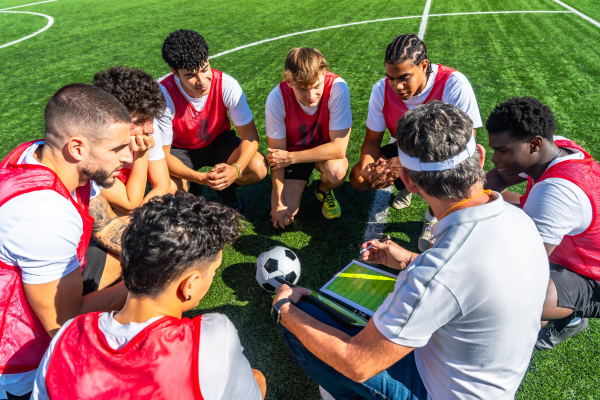
How Does Coach-Athlete Communication Change Under Pressure and Competition?
Under pressure and competition, communication has a much stronger impact because the athlete’s mental space is already limited. In these moments, the brain is busy managing stress, emotions, and the importance of the outcome. Long explanations or emotional instructions that might work in practice become overwhelming in competition. Athletes can only process short, familiar, and clear cues when pressure is high.
Pressure also changes how messages are interpreted. A neutral comment in practice can feel critical during a match. A raised voice meant to energize may be heard as anger or disappointment. This is why athletes often look tense, rushed, or hesitant after feedback in competition—not because the instruction was wrong, but because the pressure amplified its emotional weight.
Over time, what you say in high-pressure moments teaches athletes how to respond to stress. Calm, consistent communication helps them stay grounded and focused on the present action. Emotional, reactive communication increases fear of mistakes and pulls attention to the result. In competition, your communication doesn’t just guide performance—it sets the emotional tone the athlete performs in.
What Is One Communication Habit Every Coach Should Build?
One communication habit every coach should build is redirecting the athlete’s focus to the next controllable action, especially after mistakes. Most performance breakdowns don’t happen because of the error itself, but because the athlete stays mentally stuck on it. When this happens, confidence drops, body tension increases, and decision-making slows. A coach who consistently shifts attention forward helps the athlete recover faster and stay engaged.
A simple and effective technique is the “Next Action Question.” Instead of correcting the mistake or showing frustration, ask the athlete:
“What’s the next best thing you can do right now?”
This question does three things at once: it stops overthinking, brings attention back to the present moment, and reinforces trust in the athlete’s ability to respond. It turns feedback into guidance, not pressure.
When coaches use this habit consistently—in training and competition—it trains athletes to self-correct and stay composed under pressure. Over time, athletes start asking themselves the same question without external input. That’s when communication has done its real job: it has created athletes who can regain focus, reset quickly, and perform with clarity, even when things don’t go their way.
Conclusion
Great coaching is for sure about drills, tactics, or intensity but it’s also about how effectively you communicate in moments that matter. The right words, tone, and timing can help athletes stay confident, focused, and resilient under pressure. When communication is clear and trust-based, athletes don’t just perform better—they think better, respond faster, and recover quicker from setbacks.
If you want to learn more practical, field-tested communication techniques that build trust and improve performance, join MyMentalCoach’s one-day Coach Workshop on Trust and Communication in Pune.
To know more and register, call us at +91 98237 91323.